INQUIRE NOW
Content
In a pulp mill, a refinery, or a heavy paper line, compressed air rarely gets the attention given to boilers, turbines, or reactors. Yet it touches nearly every control loop on the site. Pneumatic actuators on shutdown valves, differential pressure transmitters on distillation columns, purge air on analyzer housings, and dP cells on paper machine headboxes all depend on air that is dry, clean, and stable in pressure. When that air carries moisture, oil aerosols, or particulate, the failure does not always announce itself immediately. Instead it shows up as a sticking positioner, a slowly drifting transmitter reading, or a control valve that hunts instead of holding position.
Continuous process plants tend to discover air quality problems the hard way, through a pattern of nuisance trips that cluster around seasonal temperature swings. Cold snaps push moisture out of solution inside distribution piping, and any water that condenses downstream of the dryer becomes a direct threat to instrumentation. In pulp and paper environments, the chemical atmosphere compounds this risk, since fine fiber dust and process vapors can combine with residual oil film to foul filter elements faster than a clean utility environment would predict.
Working assumption for this article: air quality is treated as a design specification tied to instrument sensitivity and process criticality, not a single fixed number applied uniformly across a site.
The sections that follow walk through the classification systems used to specify air quality, the contamination pathways most relevant to pulp, paper, and refinery service, and the equipment choices that determine whether a plant meets its target dew point and particulate class under real seasonal load rather than only under test-bench conditions.
Two reference frameworks dominate specification writing for industrial compressed air: the ISA instrument air quality standard and the ISO 8573 series covering compressed air purity classes. Both describe air quality along three axes, particulate size and concentration, residual oil content, and pressure dew point. Where they differ is emphasis. The ISA instrument air quality standard is written specifically for control and instrumentation service, while ISO 8573 classes are used more broadly across pneumatic tools, packaging lines, and process air.
For refinery instrument and analyzer air, a pressure dew point at least 10 degrees below the lowest expected ambient temperature is a common design margin, since analyzer shelters and outdoor valve stations experience wider swings than a climate controlled building. For pulp and paper header air feeding felt cleaning systems, doctor blade actuators, and consistency transmitters, particulate control often matters as much as dew point, because fine fiber and coating dust accelerate wear on small orifice components.
| Quality Parameter | Typical Refinery Instrument Air Target | Typical Pulp and Paper Header Target |
|---|---|---|
| Particulate size | 1 micron or smaller | 1 to 3 micron |
| Residual oil content | 0.01 mg per cubic meter or lower | 0.1 mg per cubic meter or lower |
| Pressure dew point | Minus 40 degrees Celsius atmospheric | Minus 20 to minus 40 degrees Celsius atmospheric |
| Typical governing reference | ISA instrument air quality standard | ISO 8573 purity class 2 or 3 |
These figures are representative ranges used across many continuous process sites rather than universal fixed values, since actual targets should be set against the most moisture-sensitive component in the loop, not the average one.
Field surveys of compressed air systems across heavy industry consistently point to a small number of recurring contamination pathways. Understanding the relative weight of each helps prioritize where drying and filtration budget should go first.
Moisture carryover leads the list because it originates from two directions at once, atmospheric humidity drawn in at the compressor intake and condensation that forms whenever compressed air cools below its pressure dew point anywhere downstream. Oil aerosol residue follows closely behind, largely tied to lubricated compressor types and to filter elements that have exceeded their rated service life without a differential pressure alarm catching the change. Particulate ingress in pulp and paper settings often traces back to fiber dust drawn into open intake housings near stock preparation areas rather than to the compressor itself.
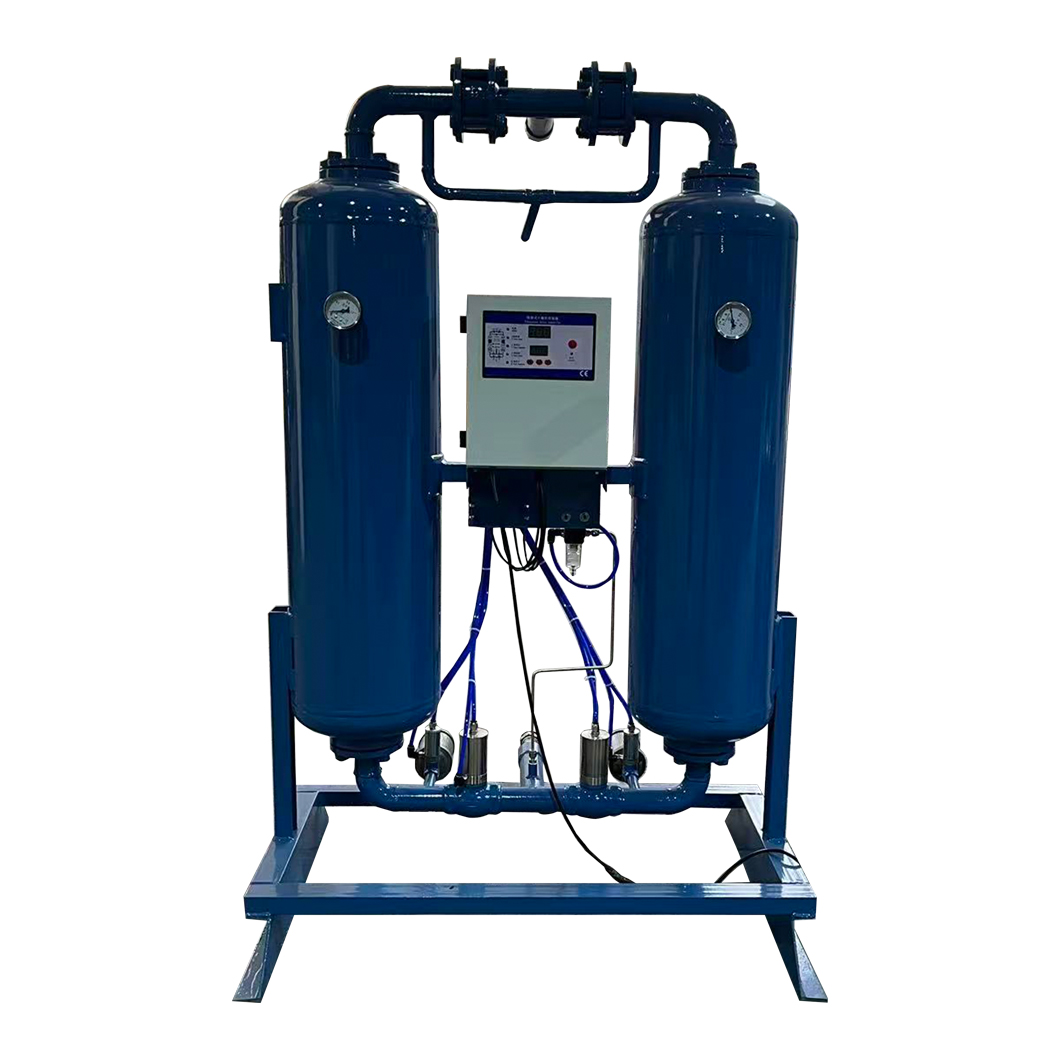
An Adsorption Dryer (Double Tower Type) removes moisture by passing compressed air through a bed of desiccant material, typically activated alumina or molecular sieve, which physically adsorbs water vapor onto its surface. Because the system uses two towers operating in alternating cycles, one tower dries the process air while the other regenerates, which allows continuous operation without interrupting supply to downstream headers. This makes double tower designs a common fit for paper machines running around the clock, where any interruption to felt conditioning or blade actuation air translates directly into sheet quality variation.
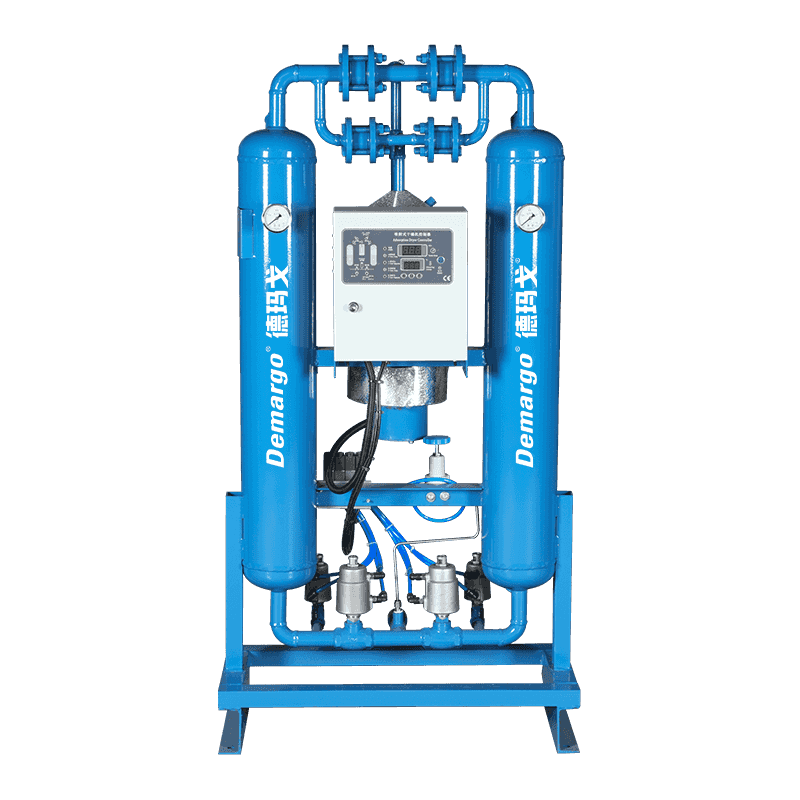
Regeneration method is the main design decision within this category. Heatless regeneration uses a portion of the already dried air to purge moisture from the offline tower, which is simple and reliable but consumes more compressed air overall. Heated or blower purge regeneration reduces that air consumption at the cost of additional electrical load and a slightly more complex control sequence. For pulp and paper sites where compressed air demand already runs close to compressor capacity during peak production, the lower purge air consumption of a heated regeneration cycle often justifies its added complexity.
Refinery instrument air systems frequently extend beyond plant air into dedicated analyzer air and process gas drying duties, where the gas stream is not always atmospheric air but may include nitrogen purge gas, natural gas sample lines, or other process gases feeding continuous emissions monitors. A Special Gas Dryer is engineered for these non-standard gas compositions, with material selection and seal design adjusted for compatibility with the specific gas rather than assuming a generic air stream.

Analyzer shelters present a particular challenge because the sample conditioning system is sensitive to even small moisture excursions, which can bias readings on continuous emissions monitors used for regulatory reporting. A special gas dryer sized correctly for the sample flow, with dew point performance matched to the coldest expected shelter temperature, reduces the risk of a compliance monitor reporting invalid data during a winter cold snap purely because of moisture condensation inside the sample line.
| Application | Typical Gas Stream | Key Design Consideration |
|---|---|---|
| Continuous emissions monitoring | Sample gas plus purge nitrogen | Consistent dew point regardless of shelter temperature |
| Process gas conditioning | Natural gas or process byproduct gas | Material compatibility with hydrocarbon content |
| Pilot and utility gas drying | Fuel gas or inert purge gas | Reliable regeneration cycle under variable flow |
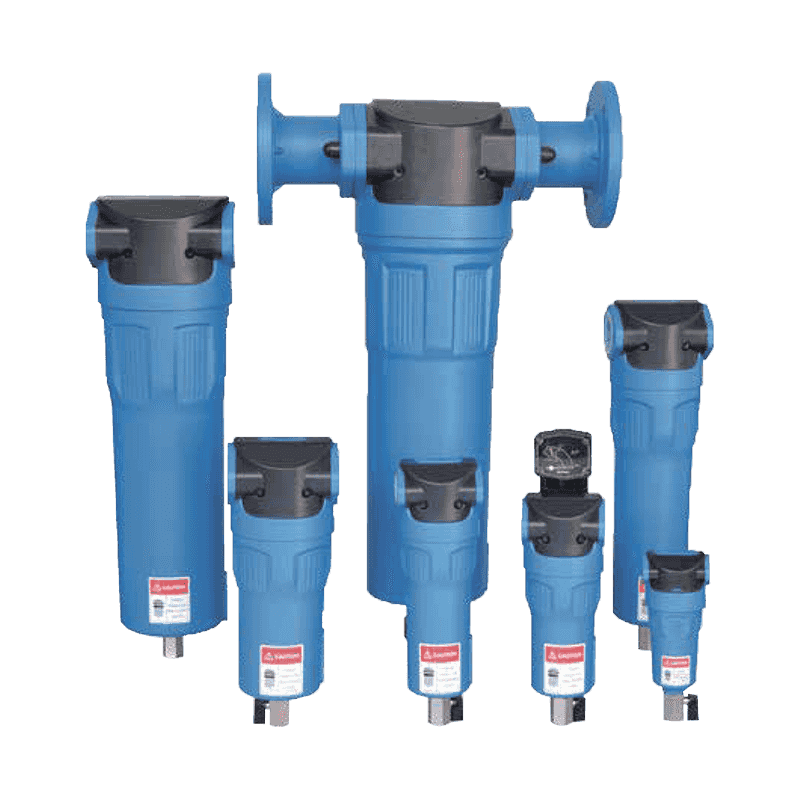
Drying equipment performs best when it is protected from bulk liquid, oil aerosol, and coarse particulate before the air stream reaches the desiccant bed or refrigeration coil. This is the role of staged filtration, typically arranged as a coalescing prefilter followed by a general purpose particulate filter, with a polishing filter placed after the dryer to catch any desiccant fines carried downstream. A Compressed Air Filter selected with the correct micron rating at each stage extends dryer service life and reduces the frequency of unplanned differential pressure trips.
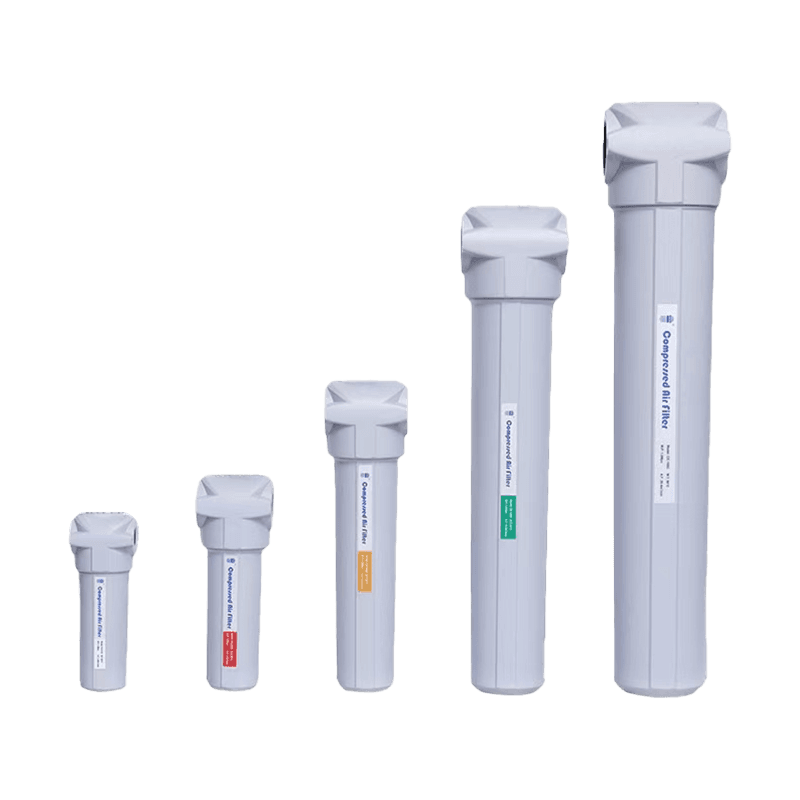
Differential pressure across each filter stage is the single most useful maintenance indicator available on a compressed air system, since a rising pressure drop signals element loading well before a complete blockage occurs. Sites that log this value on a fixed interval, rather than waiting for a visible pressure gauge alarm, consistently report fewer emergency element changes during peak production periods.
No single dryer technology wins on every criterion. The comparison below sets refrigerated, desiccant, and membrane drying against five practical dimensions relevant to pulp, paper, and refinery decision makers.
Desiccant systems consistently score highest on achievable dew point, which is why refinery instrument air specifications lean toward adsorption technology. Refrigerated dryers score well on energy use and footprint but cannot reach the low dew points refinery analyzer air often demands. Membrane dryers, while less common for high volume header air, offer a compact and low maintenance option for smaller dedicated instrument loops where flow requirements are modest.
Compressed air demand and ambient conditions both shift across the year, and dryer sizing decisions made against a single design point can leave a plant under-protected during shoulder seasons when humidity is high but temperatures have not yet dropped low enough to trigger extra attention.
The gap between the two lines is the real margin protecting instrumentation. A properly sized adsorption dryer holds a flat, low achieved dew point across every month regardless of ambient humidity swings, which is precisely why refinery specifications tend to require desiccant drying rather than refrigerated drying for outdoor instrument air runs exposed to winter conditions.
When maintenance logs from air-dependent control systems are reviewed after an unplanned trip, a consistent pattern of root causes emerges.
Moisture-related events lead in almost every dataset reviewed across pulp, paper, and refinery sites, and they are also the category most directly addressed by correct dryer selection rather than by reactive maintenance. Valve icing, while less frequent, tends to occur at the worst possible time, during the coldest days of the year when process demand for reliable control is also at its highest.
A well-designed air treatment train follows a consistent sequence regardless of plant type. Skipping a stage, or undersizing one relative to peak flow, shifts the contamination burden onto the next component in line.
Each stage protects the one after it. The aftercooler removes the majority of bulk moisture through condensation while the air is still hot from compression. The coalescing prefilter catches oil aerosol and remaining liquid before the dryer, since liquid water reaching a desiccant bed can damage the media. The polishing filter after the dryer exists specifically to catch any fine desiccant dust that migrates downstream, protecting sensitive instrument components at the final point of use.
Setting a maintenance calendar around measured differential pressure and dew point trending, rather than a fixed calendar date alone, produces more reliable outcomes because actual loading varies with seasonal humidity and production rate.
| Component | Typical Inspection Interval | Primary Failure Indicator |
|---|---|---|
| Coalescing prefilter element | Every 6 to 12 months | Differential pressure exceeding rated limit |
| Desiccant bed | 3 to 5 years | Rising dew point despite normal cycle operation |
| Tower switching valves | Annual inspection | Audible cycling delay or incomplete regeneration |
| Polishing filter element | Every 6 to 12 months | Visible dust carryover at point of use |
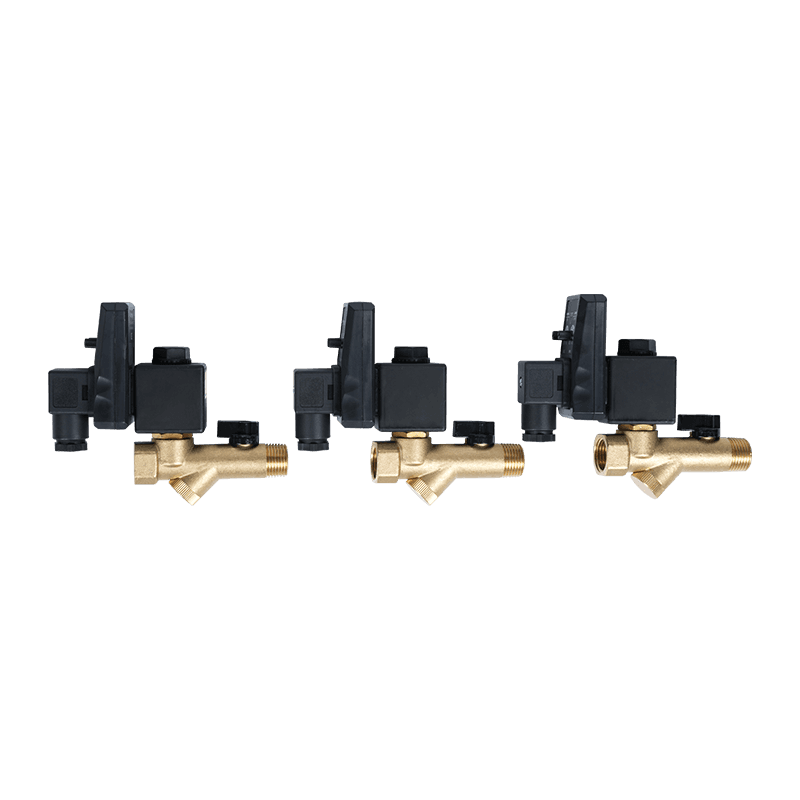
| Condensate drains | Quarterly function test | Failure to purge on cycle, or continuous bleed |
Plants that track differential pressure and dew point as trended variables, similar to how they trend process instrumentation, tend to catch degrading performance weeks before it becomes an operational event. This is a low-cost practice that pays for itself primarily through avoided emergency shutdowns rather than through any single equipment upgrade.
Most refinery instrument air specifications call for a pressure dew point at least 10 degrees Celsius below the lowest expected ambient temperature at the site, with many sites targeting minus 40 degrees Celsius atmospheric to cover outdoor valve stations and analyzer shelters through winter conditions.
Fine fiber and coating dust circulating in the mill environment can enter compressed air intakes and accelerate wear on small orifice pneumatic components, so particulate filtration is prioritized alongside moisture control rather than treated as a secondary concern.
A special gas dryer is designed with material and seal compatibility for a specific process gas composition, such as sample gas or purge nitrogen used in analyzer systems, rather than assuming a standard atmospheric air stream.
A double tower design allows one tower to dry the process air while the other regenerates, which supports continuous uninterrupted air supply and avoids the drying gaps that occur with single tower or batch systems.
Replacement is best triggered by measured differential pressure exceeding the rated limit rather than a fixed calendar interval alone, though most coalescing and particulate elements are inspected on a 6 to 12 month cycle as a baseline.

ADD: No. 9, Lane 38, Caoli Road, Fengjing Town, Jinshan District, Shanghai, China
Tel: 0086-17321147609
Email: [email protected]
Copyright © Demargo (Shanghai) Energy Saving Technology Co., Ltd. Rights Reserved. Custom Gas Purifiers Factory