INQUIRE NOW
Content
Conclusion up front: If you compress air, you need an oil-water separator. If you have one, you need to maintain it. A well-maintained separator protects your air compressor, keeps your dryers and filters working, and keeps you compliant. When a facility calls us about wet air or a compressor failure, the root cause is often a separator that was left unopened for months. By the time the fault is visible, the system has already been under stress.
One example: a factory with a 75 kW screw compressor had a pressure dew point that kept climbing. After troubleshooting, we found the oil-water separator was full of sludge, so liquid was being carried into the refrigeration dryer. A 40-minute clean-up fixed the issue and avoided a 500 USD filter replacement and a two-day production stoppage.
Compressed air from a typical oil-lubricated screw compressor is a mixture of air, water vapor, oil mist, and solid particles. When the air cools after compression, water and oil condense. An oil-water separator is designed to remove these liquid contaminants from the air stream and let clean air continue to the dryer or filter.
When the separator is neglected, it loses its ability to separate. The oil-water mixture starts to accumulate, and eventually liquid gets re-entrained into the air flow. This has practical consequences:
The maintenance effort is small compared with the potential damage. A weekly check and a monthly cleaning can extend the life of your compressor and your compressed air system by years.
You do not need to wait for a complete failure. There are checkable indicators that tell you when maintenance is due. Here are the most common ones:
If you notice any of these, stop guessing and perform a full check. An overflow troubleshooting guide for oil-water separators can point you to the most likely cause, but the basic steps are always the same: inspect, drain, clean, replace if needed, and test.
For a typical compressed air oil-water separator, a maintenance session should take about 30 to 60 minutes, assuming you have easy access to the drain and cover. Use this standard procedure:
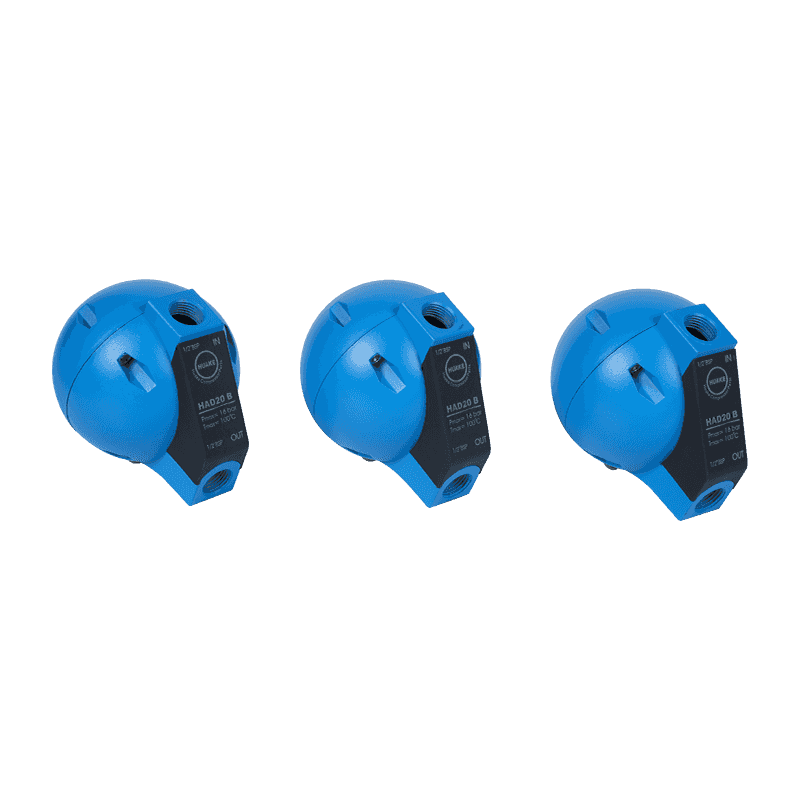 HAD20 Float Automatic Drainer for Compressed Air SystemsThe HAD20 automatic drainer uses a float mechanism to discharge condensate reliably. Its manual drain button allows quick testing and cleaning, helping maintain your separator's efficiency and prevent blockages.View Product → is a simple, mechanical choice for reliable condensate discharge without electrical control.
Use the following table as a starting point for your maintenance schedule. Adjust the intervals based on your local humidity, compressor duty cycle, and the condition of the condensate.
| Frequency | Action | Indicators to watch |
|---|---|---|
| Daily | Inspect sight glass, drain accumulated oil | Oil layer thickness, condensate appearance |
| Weekly | Check automatic drainer, record oil layer | Drain condition, oil build-up rate |
| Monthly | Clean baffles and inlet diffuser, inspect element | Sediment build-up, filter condition |
| Quarterly | Full cleaning, check float valve and gaskets | Leaks, seal wear, mechanical wear |
| Annually | Replace gaskets, check calibration or level sensors | Material aging, performance drift |
If you are unsure, start with a weekly check and a monthly cleaning. This is safer than overstretching the interval, and the costs are minimal. For a printable version of this checklist, you can download the maintenance checklist in PDF format from our support center.
Even with a schedule in place, many facilities make small errors that reduce separator performance. Here is what we see most often:
One additional point: the condensate that your separator removes is not ordinary wastewater. It contains oil and needs proper handling. An oil-water separator condensate disposal guide can help you understand legal requirements. It is an important part of your maintenance schedule.
If you are evaluating a new oil-water separator, look beyond the initial price. The design should allow you to inspect and clean it without a big time commitment. Key features that simplify maintenance include:
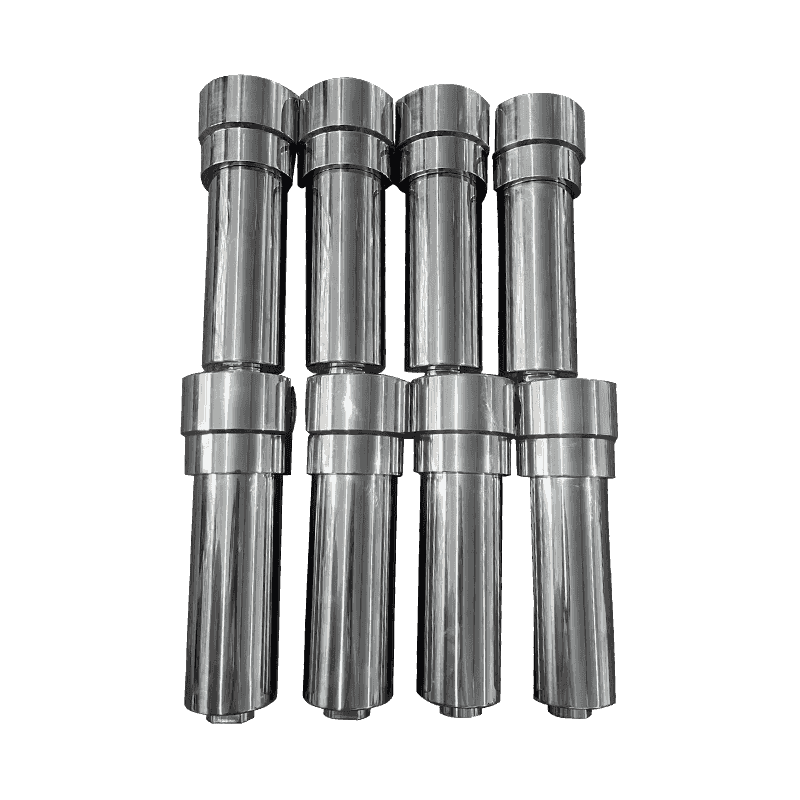
For many industries, a single, robust separator like the Demargo compressed air water separator is a practical starting point. It is designed to remove liquid water and oil from the air stream while providing easy access to the internal parts. If you need oil-water separation at the final filter stage, a stainless steel version can also offer corrosion resistance and easier cleaning.
 Demargo Compressed Air Water Separator for Oil and Moisture RemovalThis water separator removes liquid water and oil from compressed air, protecting downstream equipment. A stainless steel option enhances corrosion resistance and simplifies cleaning for final-stage filtration needs.View Product →
Managing the condensate that the separator collects is just as important. An LS series condensate handler treats the oily water before it enters the drain, reducing the environmental load and simplifying legal compliance. Fewer manual steps, fewer spills, and fewer regulatory surprises are all part of maintenance.
 LS Series Condensate Handler for Oily Water TreatmentThe LS series treats oily condensate before discharge, using filtration and separation to remove oil. It reduces environmental impact and simplifies compliance with regulations, lowering maintenance effort and spill risks.View Product →
For an industrial compressed air system, start with a weekly visual inspection and a monthly cleaning. If your compressor runs heavily or the ambient humidity is high, increase the cleaning to every week. The separator should be drained more frequently than it is cleaned.
The most obvious signs are reduced condensate flow, milky or oily discharge, a thick oil layer in the sight glass, and a rising differential pressure. Any of these indicates that the separator is not performing at its best.
No. Avoid detergents, solvents, and degreasers. They can create emulsions that are very difficult to separate. Use warm water with a soft brush and a small amount of mild soap if needed, then rinse thoroughly.
Yes. The drainings contain oil and must be handled as hazardous or regulated waste where applicable. Store them in labeled containers and use an approved disposal service. The exact requirements vary by location, so check with your local environmental agency.
Maintenance does not need to be complicated. It starts with a clear plan, a simple checklist, and a consistent schedule. When you make oil-water separator maintenance part of your routine, you will see fewer compressor shutdowns, lower filter replacement costs, and a more stable dew point.
If you are not sure whether your current separator is easy to maintain, or if you need help setting up an oil-water separator maintenance schedule, contact Demargo. Our team can help you select the right separator and provide practical guidance for your compressed air system.
Related Products

ADD: No. 9, Lane 38, Caoli Road, Fengjing Town, Jinshan District, Shanghai, China
Tel: 0086-17321147609
Email: [email protected]
Copyright © Demargo (Shanghai) Energy Saving Technology Co., Ltd. Rights Reserved. Custom Gas Purifiers Factory