INQUIRE NOW
Demargo (Shanghai) Energy Saving Technology Co., Ltd.
2024-12-17The difference between a refrigerated air dryer and an adsorption dryer?
2024-12-17Principle and application of modular dryer?
2024-12-17Precautions for using refrigerated air dryers?
2024-12-17Exploring the secrets of future food preservation: Entering the world of high-efficiency freeze-drying technology - refrigerated air dryer
2025-02-20Content
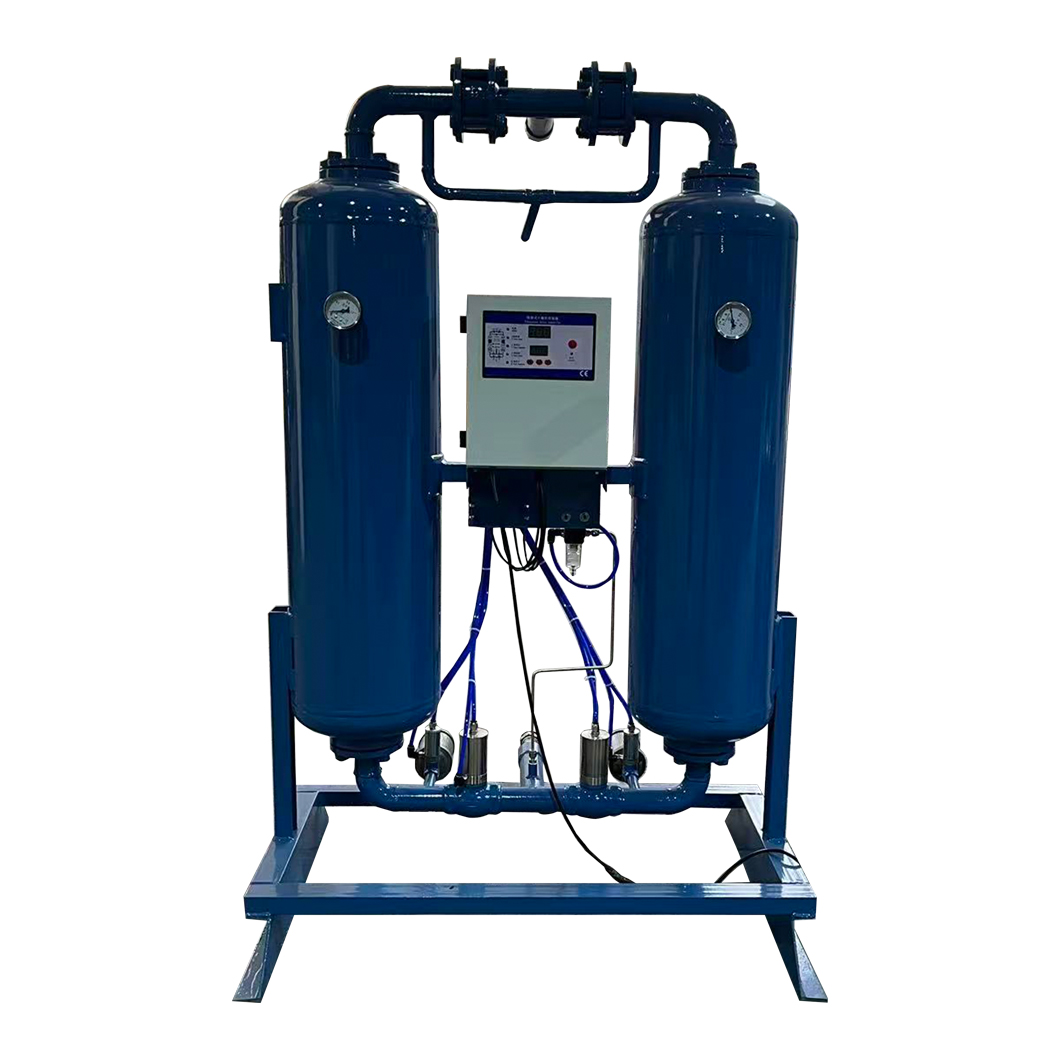
Maintaining a Micro Heat Regeneration Adsorption Dryer is critical to ensuring optimal performance, prolonged equipment life, and consistent compressed air quality. Among its components, the adsorption beds are particularly vital as they directly influence the efficiency of moisture removal.
Adsorption beds are the core functional components of a Micro Heat Regeneration Adsorption Dryer. These beds contain specialized desiccant materials that attract and remove moisture from compressed air. Unlike conventional dryers, micro heat regeneration systems use minimal thermal energy during the regeneration process, making adsorption bed maintenance essential for efficiency and longevity.
The performance of the dryer depends on the condition of the adsorption beds, which undergo repeated adsorption and regeneration cycles. Over time, desiccant materials can degrade, become contaminated, or lose adsorption capacity, impacting the dew point and overall performance of the dryer. Regular maintenance ensures consistent drying efficiency, reduced energy consumption, and prevention of downstream equipment damage.
Routine inspection is the first step in maintaining the adsorption beds of a Micro Heat Regeneration Adsorption Dryer. Inspections help identify issues before they escalate, allowing for timely intervention. Key aspects of routine inspection include:
Consistent inspections not only prolong the life of the adsorption beds but also enhance the overall reliability of the Micro Heat Regeneration Adsorption Dryer.
Over time, dust, oil, and particulate matter can accumulate on the desiccant surface, reducing its adsorption efficiency. Cleaning procedures are crucial to maintaining the dryer’s performance. Recommended cleaning practices include:
Proper cleaning helps maintain low pressure drop, high drying efficiency, and consistent dew point output.
Despite proper maintenance, desiccant materials have a finite lifespan. Over time, their adsorption capacity diminishes due to thermal cycling, moisture exposure, and contamination. Replacement intervals depend on several factors:
Regular monitoring of dew point and pressure drop can help determine if the desiccant is nearing the end of its effective life. Early replacement prevents performance loss and avoids downtime.
The regeneration process is critical for maintaining adsorption bed performance. A Micro Heat Regeneration Adsorption Dryer relies on controlled heating to restore the desiccant’s moisture adsorption capacity. Maintenance should include:
By maintaining the regeneration system, the adsorption beds remain effective and consistent in their performance.
Monitoring the dew point of the compressed air is an essential aspect of adsorption bed maintenance. A rising dew point may indicate desiccant degradation, contamination, or regeneration inefficiency. Additional performance indicators include:
Integrating sensors and monitoring tools allows for proactive maintenance and helps avoid unexpected downtime.
Maintenance of adsorption beds in a Micro Heat Regeneration Adsorption Dryer must prioritize safety and operational guidelines:
Following these precautions ensures maintenance personnel safety and prevents equipment damage.
Maintaining detailed records of all adsorption bed maintenance activities helps optimize performance and plan future interventions. Recommended documentation includes:
Well-maintained records support compliance, extend equipment life, and aid in troubleshooting performance issues.
Several operational and environmental factors influence the life of adsorption beds in a Micro Heat Regeneration Adsorption Dryer:
Understanding these factors allows operators to implement preventive measures and maximize the lifespan of adsorption beds.
A structured maintenance schedule helps ensure the Micro Heat Regeneration Adsorption Dryer remains reliable. A typical schedule may include:
| Maintenance Task | Frequency | Description |
|---|---|---|
| Visual inspection | Monthly | Check desiccant beds for damage or contamination |
| Pressure and airflow check | Monthly | Monitor differential pressure across beds |
| Dew point measurement | Monthly | Ensure compressed air meets process requirements |
| Bed cleaning (air/vacuum) | Quarterly | Remove dust and particulate accumulation |
| Heater and valve check | Biannually | Verify regeneration system functionality |
| Desiccant replacement | 3–5 years | Replace degraded or saturated desiccant |
| Documentation update | Ongoing | Record all inspections, measurements, and maintenance activities |
Adhering to this schedule ensures consistent dryer performance and prevents unplanned downtime.
The adsorption beds of a Micro Heat Regeneration Adsorption Dryer are critical for maintaining compressed air quality and overall system efficiency. Proper maintenance—including routine inspection, cleaning, desiccant replacement, regeneration system checks, and performance monitoring—is essential for prolonged operational life and optimal performance. By implementing a structured maintenance schedule and prioritizing safety and documentation, manufacturers and plant operators can maximize the efficiency and reliability of their micro heat regeneration systems.
Through careful attention to these maintenance requirements, the Micro Heat Regeneration Adsorption Dryer continues to provide energy-efficient, high-quality compressed air for a wide range of industrial applications.
Related Products

ADD: No. 9, Lane 38, Caoli Road, Fengjing Town, Jinshan District, Shanghai, China
Tel: 0086-17321147609
Email: [email protected]
Copyright © Demargo (Shanghai) Energy Saving Technology Co., Ltd. Rights Reserved. Custom Gas Purifiers Factory