INQUIRE NOW
Demargo (Shanghai) Energy Saving Technology Co., Ltd.
2024-12-17The difference between a refrigerated air dryer and an adsorption dryer?
2024-12-17Principle and application of modular dryer?
2024-12-17Precautions for using refrigerated air dryers?
2024-12-17Exploring the secrets of future food preservation: Entering the world of high-efficiency freeze-drying technology - refrigerated air dryer
2025-02-20Content
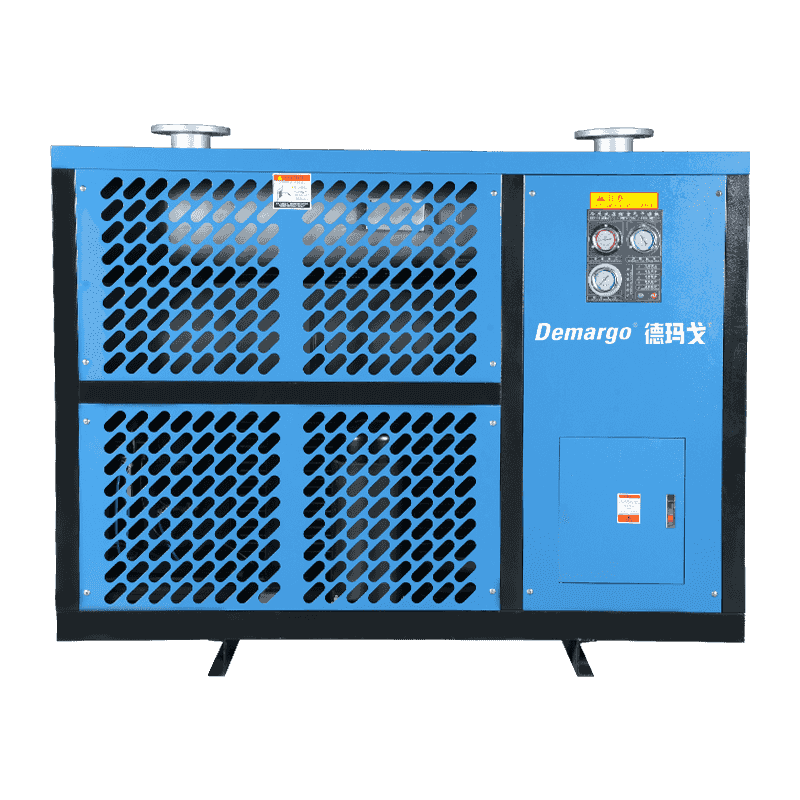
Shell and tube stainless steel refrigerated air dryer is an essential component in compressed air systems, widely used across industrial, manufacturing, and processing applications. These systems rely on maintaining a consistent dew point and proper cooling to ensure the quality of compressed air. One of the operational challenges faced by operators is freezing in the condenser, which can compromise performance, lead to equipment damage, and disrupt air supply.
Freezing occurs when the temperature of the air dryer’s cooling surfaces drops below the freezing point of water contained in the compressed air condensate. This phenomenon is particularly common in low ambient temperature conditions or during low-load operation, where heat transfer is insufficient to prevent ice formation. Freezing can lead to restricted airflow, increased pressure drop, and even damage to tubes or condensate drainage systems. For operators, preventing freezing is a combination of design considerations, operational practices, and maintenance strategies.
Shell and tube stainless steel refrigerated air dryer condensers have several advantages over other designs. Stainless steel construction provides corrosion resistance and durability, making these dryers suitable for industries with high humidity or water content in compressed air. However, even high-quality materials cannot prevent freezing if operational and design factors are not properly addressed.
One of the most effective methods for preventing freezing in shell and tube stainless steel refrigerated air dryer condensers is careful control of refrigerant flow and temperature. Modern air dryers are equipped with thermostatic expansion valves or electronic control systems that regulate refrigerant distribution based on air load.
Key points:
Warm gas bypass is a widely adopted solution for freezing prevention in shell and tube stainless steel refrigerated air dryer systems. This method involves redirecting a portion of the warm refrigerant gas back into the condenser during low-load conditions.
Benefits include:
This system is particularly valuable in industries where compressed air demand fluctuates, such as manufacturing plants with intermittent production cycles.
A minimum load bypass prevents freezing by allowing a small portion of the compressed air to bypass the refrigeration coil during periods of very low airflow. This method ensures that air passing through the dryer remains above freezing temperature.
Advantages:
This approach is often integrated with control systems that detect flow rates and adjust bypass valves automatically.
For environments with extremely low ambient temperatures, heater-assisted condensers can be employed to prevent freezing. Small electric or gas heaters are installed to maintain the condenser or drain line above freezing temperatures.
Highlights of this method:
Heater-assisted systems are often used in combination with control panels to activate heating only when necessary, optimizing energy efficiency.
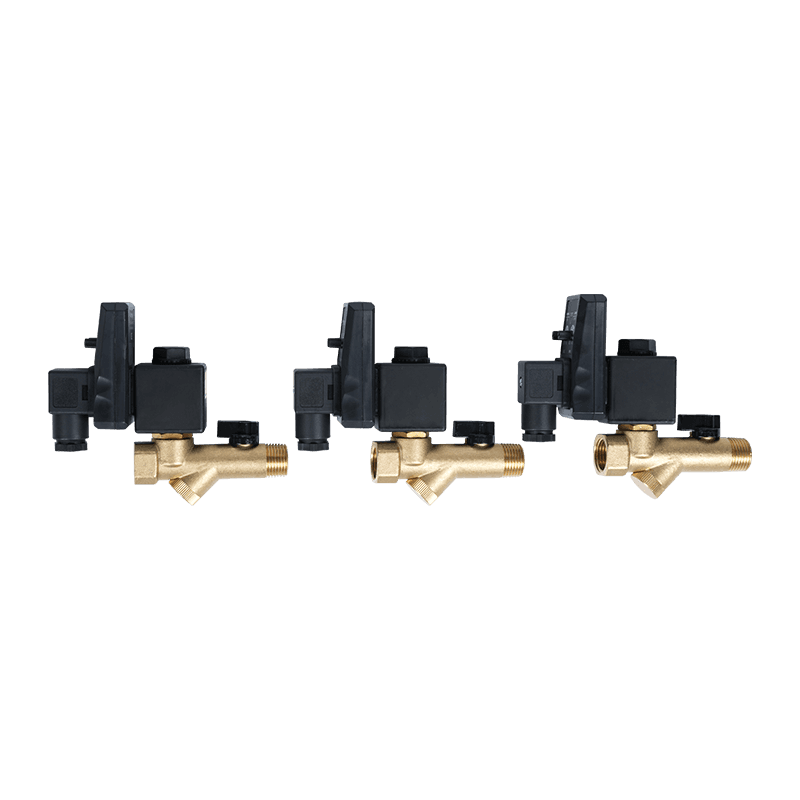
Freezing is often exacerbated by improper condensate drainage, which allows water to accumulate in low points of the condenser. Using automatic or thermostatically controlled condensate drains helps eliminate standing water before it can freeze.
Key considerations:
Condensate management is an often overlooked but critical aspect of shell and tube stainless steel refrigerated air dryer operation.
Freezing can also result from low airflow or low-load operation. In industrial applications, it is essential to maintain a minimum airflow through the dryer to prevent the coil temperature from dropping excessively.
Strategies include:
This method complements other freezing prevention techniques, ensuring that operational variables do not contribute to ice formation.
Ambient temperature plays a significant role in condenser freezing. Shell and tube stainless steel refrigerated air dryer installations should account for surrounding environmental conditions.
Practical measures:
Considering the environment reduces the risk of freezing while extending the life of the dryer components.
Even with advanced freezing prevention methods, regular maintenance is essential to ensure consistent performance. Common practices include:
Proper maintenance not only prevents freezing but also enhances energy efficiency and prolongs equipment life.
Shell and tube stainless steel refrigerated air dryer is widely used across industries that require high-quality compressed air. Preventing freezing in condensers is particularly important in:
Buyers in these industries often prioritize reliability, low maintenance, and freeze prevention features when selecting a shell and tube stainless steel refrigerated air dryer.
| Method | Key Benefits | Typical Applications |
|---|---|---|
| Refrigerant control | Prevents overcooling; energy-efficient | General industrial and manufacturing |
| Warm gas bypass | Maintains coil temperature; low-load stability | Fluctuating air demand |
| Minimum load bypass | Protects against low-flow freezing | Intermittent production cycles |
| Heater-assisted solutions | Cold environment operation; secondary safety | Outdoor or low-temperature facilities |
| Proper condensate drainage | Eliminates standing water; reduces ice formation | All applications, critical in food/pharma |
| Air flow/load management | Maintains temperature balance | Systems with variable demand |
| Ambient temperature control | Reduces external freezing risks | Cold climate installations |
Preventing freezing in shell and tube stainless steel refrigerated air dryer condensers is essential for operational efficiency, air quality, and equipment longevity. By implementing a combination of refrigerant control, warm gas or minimum load bypass, heater-assisted solutions, proper condensate drainage, airflow management, and ambient temperature considerations, operators can minimize freezing risks. Regular maintenance and monitoring complement these methods, ensuring consistent performance across industries. Buyers should evaluate freezing prevention features when selecting a shell and tube stainless steel refrigerated air dryer, particularly for critical applications in food, pharmaceutical, chemical, and manufacturing sectors.
Adopting these practices not only enhances reliability but also reduces operational costs, downtime, and potential damage to compressed air systems. A well-maintained shell and tube stainless steel refrigerated air dryer with effective freezing prevention measures represents a long-term investment in efficient and dependable compressed air quality.
Related Products

ADD: No. 9, Lane 38, Caoli Road, Fengjing Town, Jinshan District, Shanghai, China
Tel: 0086-17321147609
Email: [email protected]
Copyright © Demargo (Shanghai) Energy Saving Technology Co., Ltd. Rights Reserved. Custom Gas Purifiers Factory