INQUIRE NOW
The stainless steel sterile microfiltration compressed air filter is an inline filtration unit engineered for environments where airborne contaminants pose a direct risk to product quality or process integrity. Utilizing hydrophobic polytetrafluoroethylene (PTFE) pleated filter elements with retention ratings of 0.1 µm and 0.22 µm, the unit intercepts particulate matter, aerosols, and viable microorganisms before they can reach downstream equipment, process media, or controlled-environment zones. The stainless steel housing provides mechanical robustness and chemical compatibility with a broad range of sterilization protocols, including steam-in-place (SIP) and chemical sanitization.
This filter is applicable across industries where air quality directly affects regulatory compliance and output consistency — including pharmaceutical manufacturing, food and beverage processing, fermentation, electronics assembly, and clinical laboratory environments. The pleated PTFE membrane configuration maximizes effective filtration area within a compact footprint, supporting sustained airflow rates while maintaining low differential pressure across the element. Its design aligns with cleanroom and GMP facility requirements for sterile barrier filtration in both process air and vent applications.
Inquiry


Product Description
The polytetrafluoroethylene membrane is manufactured in a pleated configuration, providing a large specific surface area per unit volume. This geometry reduces face velocity across the membrane, extending element service life and maintaining stable flow performance under varying inlet conditions.
Available in 0.1 µm and 0.22 µm retention ratings. The 0.22 µm grade is the accepted pharmaceutical standard for sterilizing-grade air filtration and meets the particle retention criteria defined in relevant pharmacopeial guidelines. The 0.1 µm grade provides an additional margin for mycoplasma and fine aerosol removal.
The housing is fabricated from stainless steel, offering resistance to corrosion, mechanical deformation, and the thermal stresses associated with repeated steam sterilization cycles. This construction is compatible with SIP procedures up to standard autoclave temperatures and supports chemical sanitization using common industry disinfectants.
PTFE's inherent hydrophobicity prevents liquid water ingress from condensate or process humidity, which would otherwise cause membrane blinding and pressure drop excursions. This property makes the filter suitable for continuous compressed air service, tank venting, fermenter gas inlet and outlet lines, and autoclave exhaust streams without requiring liquid pre-separation in most operating conditions.
PTFE is resistant to virtually all industrial solvents, acids, alkalis, and oxidizing agents at operating temperatures encountered in process environments. This chemical inertness prevents extractable contamination from the filter element into the process stream — a critical requirement in pharmaceutical and food applications where USP and FDA compliance is assessed.
The filter element is manufactured to standard cartridge dimensions, enabling drop-in installation into existing stainless steel housings and multi-round filter vessels. This compatibility reduces system modification costs during upgrades and simplifies element changeovers in validated processes.
| Industry Sector | Primary Application | Recommended Rating | Key Requirement |
|---|---|---|---|
| Pharmaceutical | Sterile air supply, vent filtration | 0.22 µm / 0.1 µm | Sterilizing-grade, GMP-compliant |
| Food & Beverage | Packaging zone air, bottle blowing | 0.22 µm | Hygienic design, no extractables |
| Beer & Fermentation | Fermenter inlet/outlet vents | 0.22 µm | Hydrophobic, steam-sterilizable |
| Electronics / Cleanroom | Instrument air, process gas | 0.1 µm | Sub-micron particle control |
| Biochemistry / Lab | Biosafety cabinet exhaust, media lines | 0.1 µm / 0.22 µm | Mycoplasma and bacteria retention |
The 0.22 µm rating is the standard accepted threshold for sterilizing-grade filtration: it is validated to retain bacteria such as Brevundimonas diminuta under defined test conditions. The 0.1 µm rating provides an additional safety margin and is specified where mycoplasma or very fine aerosols must be excluded — common in cell culture media and high-purity electronics gas lines. For most compressed air sterilization and cleanroom vent applications, 0.22 µm is sufficient; use 0.1 µm when your process specification or regulatory body requires it explicitly.
Yes. The stainless steel housing is designed to withstand repeated steam sterilization cycles. PTFE membranes are thermally stable at autoclave temperatures. When performing SIP, introduce steam gradually to prevent pressure differential across the membrane from exceeding the element's rated burst pressure. Always confirm the specific SIP temperature and cycle limits with the element supplier's validation documentation before use in a regulated process.
Hydrophilic membranes are designed for liquid filtration and will block when wetted by water — condensate in compressed air lines would cause rapid pressure drop increase and potential system shutdown. Hydrophobic PTFE membranes repel liquid water, allowing the gas phase to pass freely while still retaining particles and microorganisms. This makes PTFE the appropriate membrane chemistry for air, gas, and vent filter applications.
Two non-destructive integrity tests are commonly applied to membrane cartridge filters. The bubble point test pressurizes the wetted membrane from the upstream side; the pressure at which a steady stream of bubbles first appears correlates directly to the largest pore in the membrane and can be compared against the manufacturer's minimum specification. The forward flow (diffusion) test measures the diffusive gas flow through a fully wetted membrane at a defined sub-bubble-point pressure, which for hydrophobic membranes requires a wetting fluid such as isopropyl alcohol. Both tests should be performed before and after use in validated pharmaceutical or food applications.
Service life depends on upstream air quality, steam sterilization frequency, and process requirements. In industrial air and gas service with reasonably well-filtered inlet air, elements often remain within acceptable differential pressure limits for twelve months or longer. In pharmaceutical validated processes, replacement is typically scheduled at fixed intervals (commonly six or twelve months) regardless of measured differential pressure, to satisfy validation and audit requirements. Upstream coalescing or particulate prefiltration significantly extends element life in contaminated compressed air systems.
PTFE membranes exhibit broad chemical resistance to most inorganic and organic solvents, including alcohols, ketones, and aromatic compounds. The stainless steel housing is similarly resistant to solvent exposure. However, confirm compatibility for each specific solvent against the element manufacturer's chemical resistance data, particularly for strong oxidizing acids or halogenated solvents at elevated temperatures. The housing seals and O-rings should also be verified for solvent compatibility, as these components may use materials different from the membrane.
| Filter model | Flow m³/M | Type of filter element |
Quantity | Import and export | Cylinder diameter mm |
| BFS-001-2 | 1--2.5 | 5 inch | 1 | 1 inch female thread + quick open | 102 |
| BFS-004-6 | 3-5 | 10 inch | 1 | 1 inch female thread + quick open | 102 |
| BFS-007 | 7 | 15 inch | 1 | 1.5 inch female thread + quick open | 102 |
| BFS-010-013 | 10 | 20 inch | 1 | 2.0 inch female thread + quick open | 180 |
| BFS-015 | 15 | 30 inch | 1 | DN50/65 Flange | 219 |
| BFS-020 | 20 | 20 inch | 2 | DN65 Flange | 255 |
| BFS-030 | 30 | 20 inch | 3 | DN80 Flange | 255 |
| BFS-040-50 | 40-50 | 20 inch | 5 | DN80/100 Flange | 325 |
| BFS-060-070 | 60-80 | 20 inch | 7 | DN125 Flange | 377 |
| BFS-100 | 100 | 20 inch | 10 | DN150 Flange | 377 |
| BFS-150 | 150 | 20 inch | 15 | DN150 Flange | 426 |
| BFS-200 | 200 | 20 inch | 19 | DN200 Flange | 426 |
Construction Cases
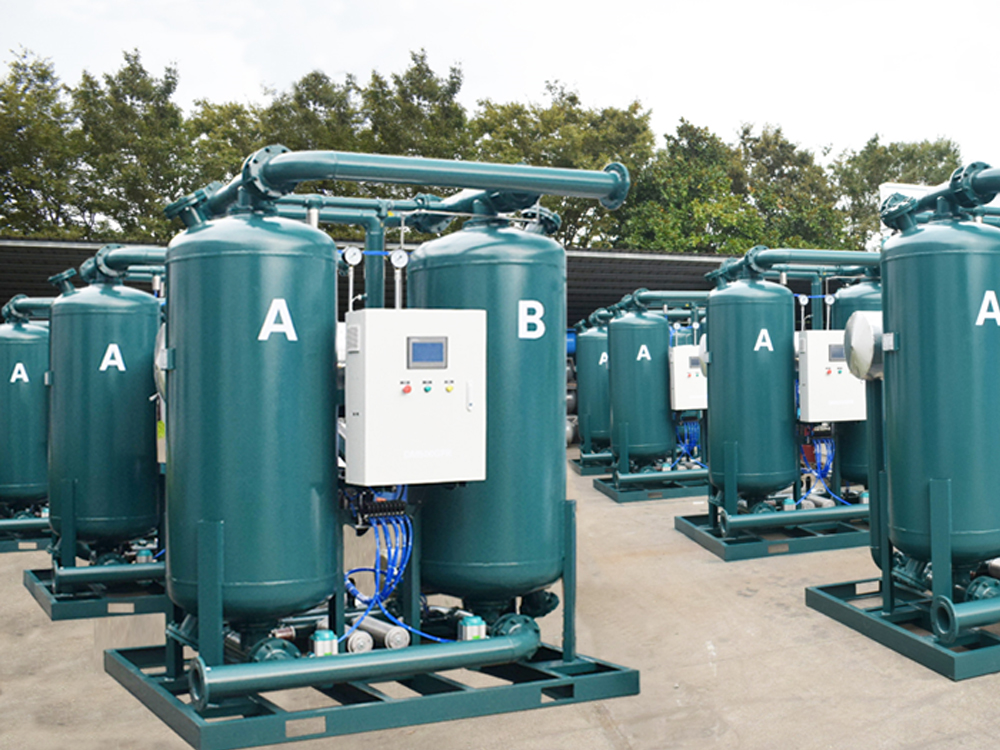
Dalian Dahua Group Co., Ltd.
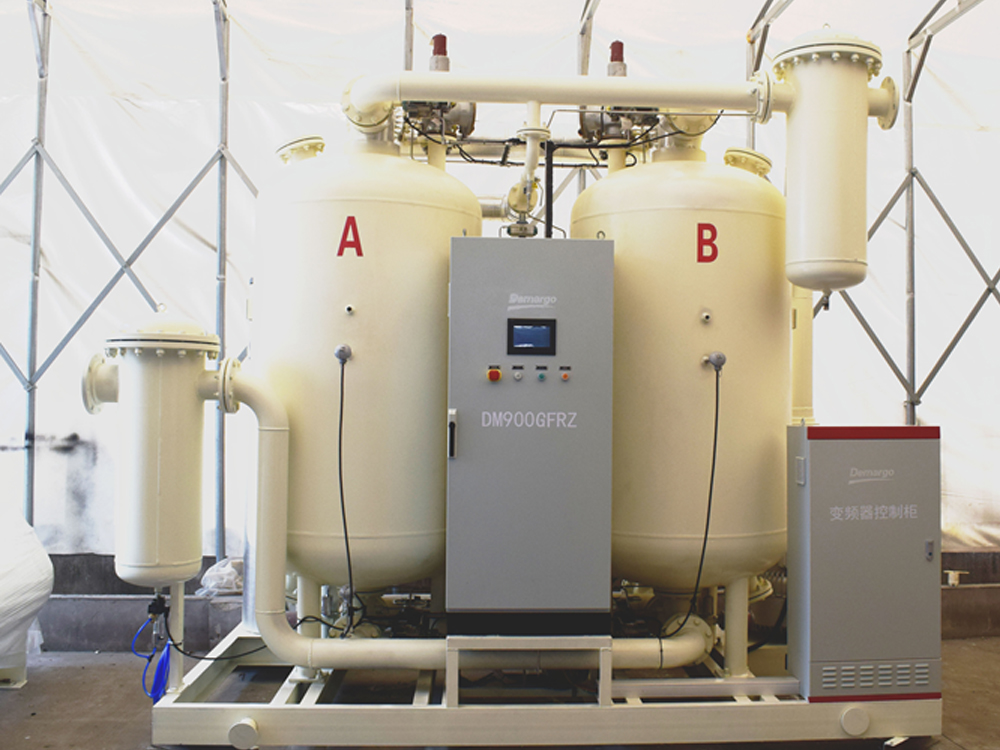
A large-scale electronic new material company in Jiangsu (Fortune 500)
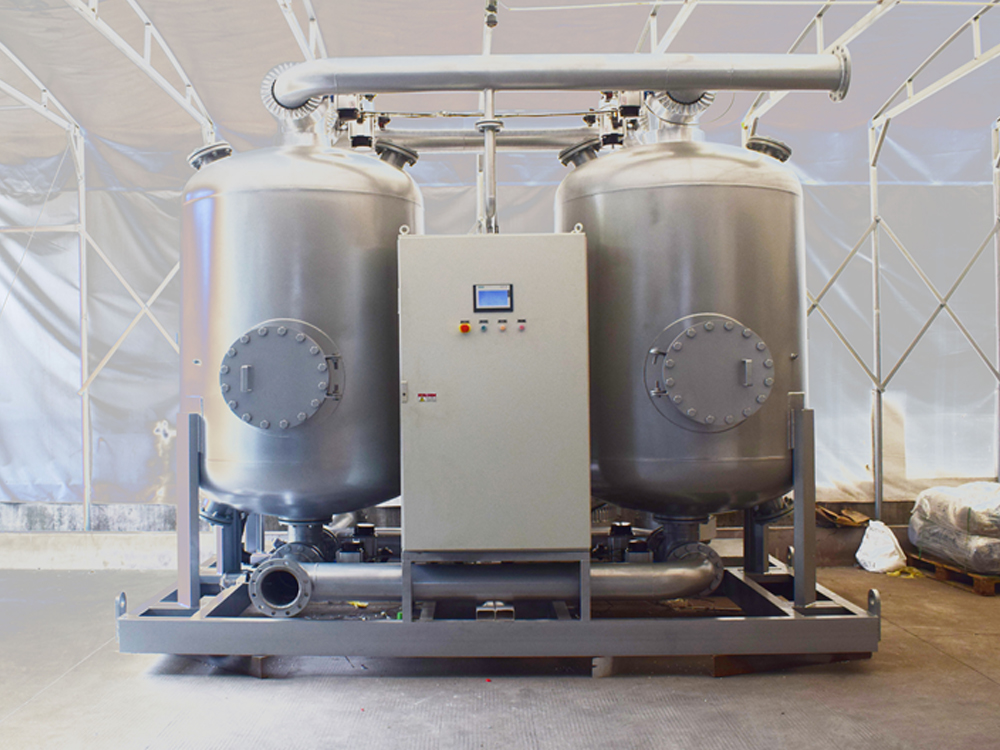
Shenyang Engine Research Institute
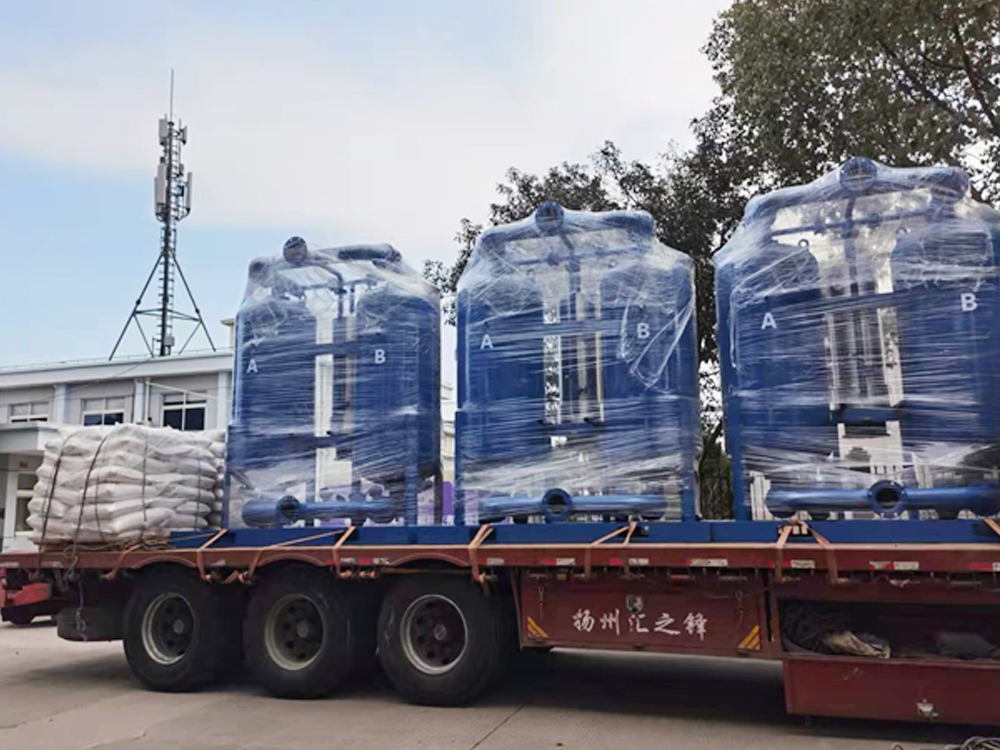
A large optoelectronics factory in Jiangsu
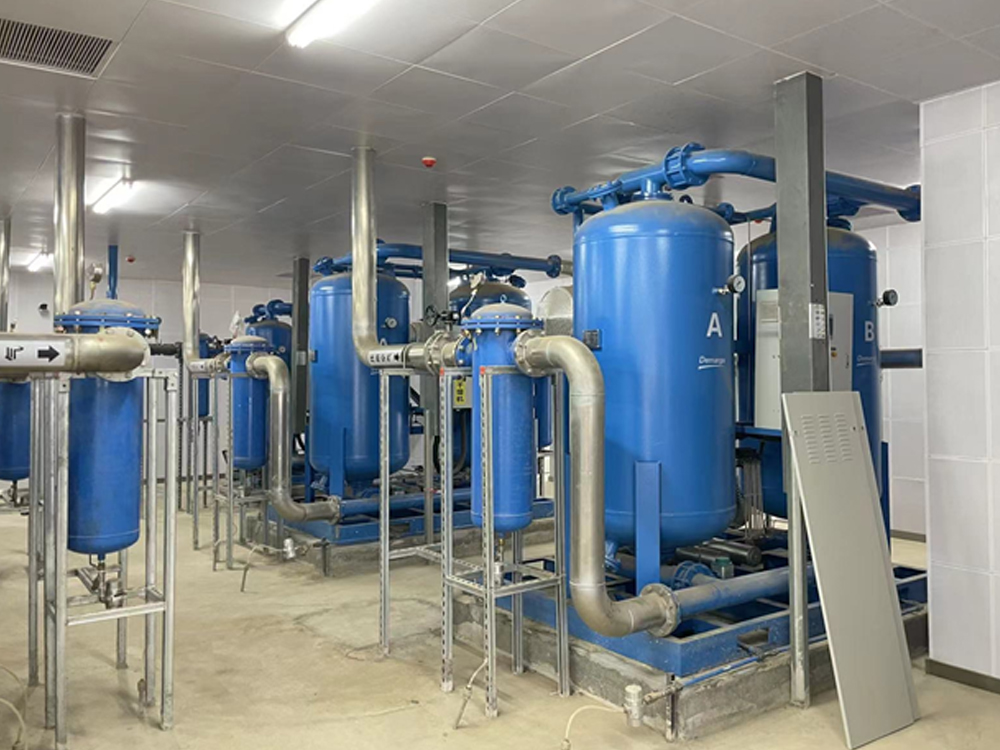
Hainan Haikou Airport
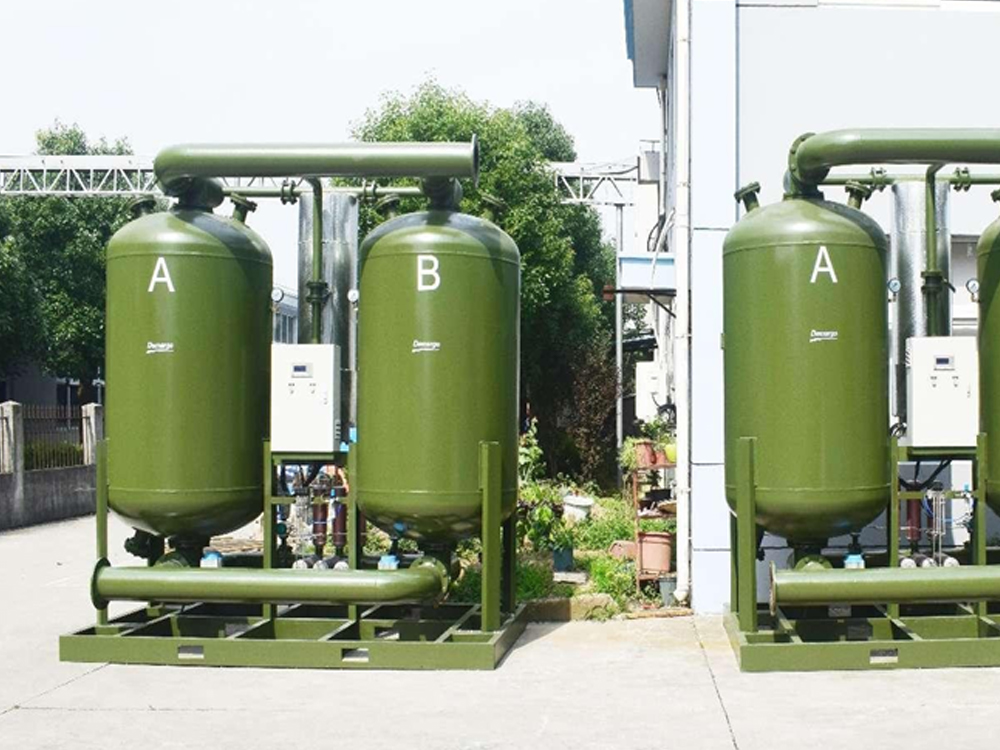
Equipment of a military factory in Shanghai
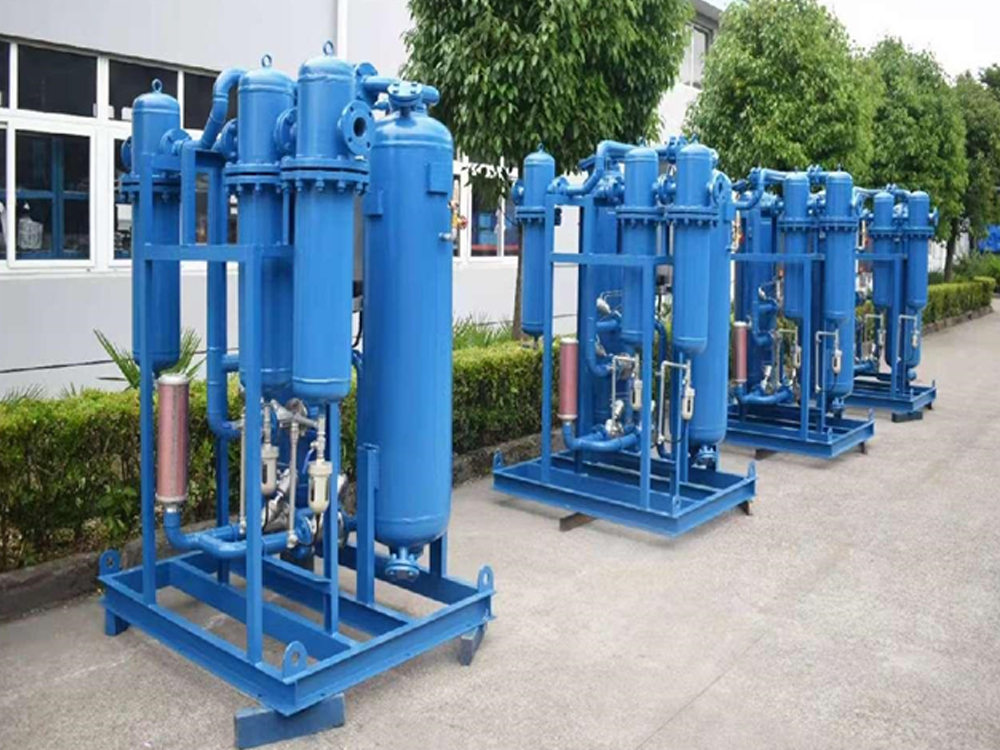
PetroChina offshore drilling platform
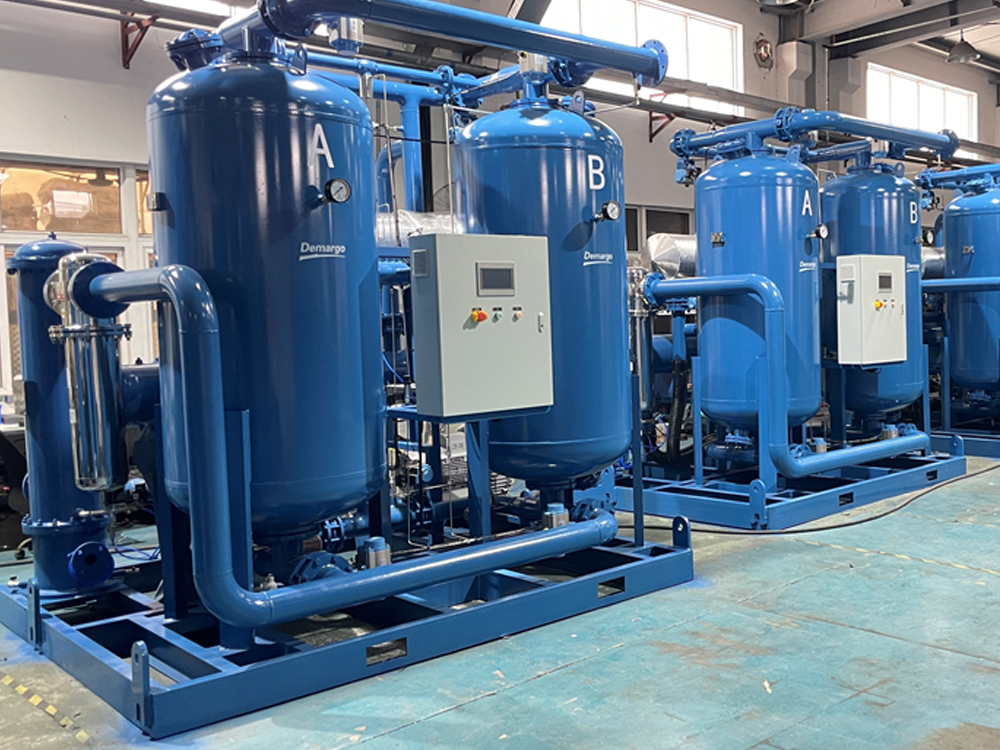
A chemical company in Shandong
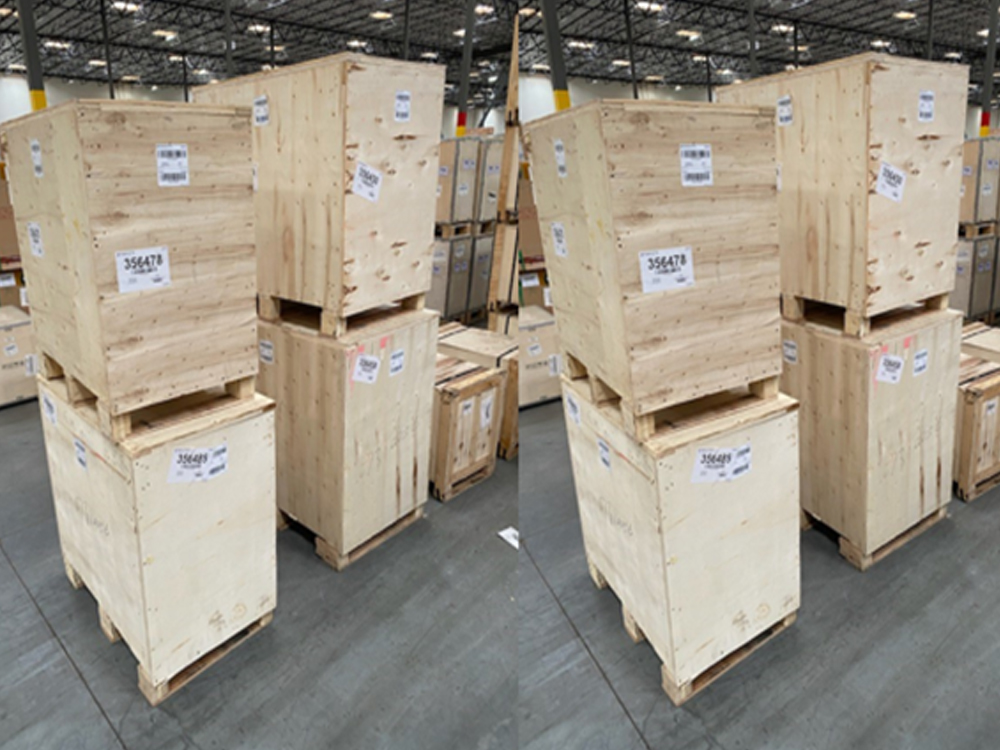
A company in California, USA
Contact Us for More Details
Don't hesitate to contact when you need us!
Related Products

Conclusion up front: If you compress air, you need an oil-water separator. If you have one, you need to maintain it. A well-maintained separator protects your ...
View MoreWalk through any plant that runs pneumatic tools, laser cutters, or precision control valves, and you will eventually hear the same complaint: the air line is ...
View MoreAt a petrochemical plant, a sticking control valve, a drifting analyzer, or a slow-acting emergency shutdown valve usually has one root cause: contaminated or ...
View MoreChemical process cooling equipment is not just about making process fluids cold. It is about controlling temperature precisely enough to protect reactors, stab...
View More
ADD: No. 9, Lane 38, Caoli Road, Fengjing Town, Jinshan District, Shanghai, China
Tel: 0086-17321147609
Email: [email protected]
Copyright © Demargo (Shanghai) Energy Saving Technology Co., Ltd. Rights Reserved. Wholesale Stainless Steel Sterile Microfiltration Compressed Air Filter for Clean Rooms Suppliers