INQUIRE NOW
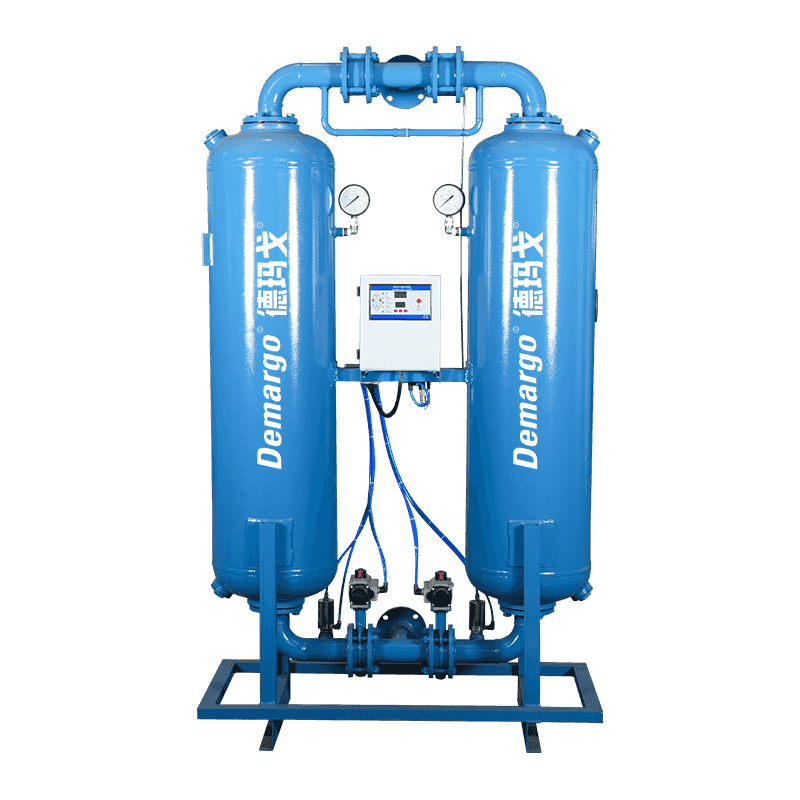
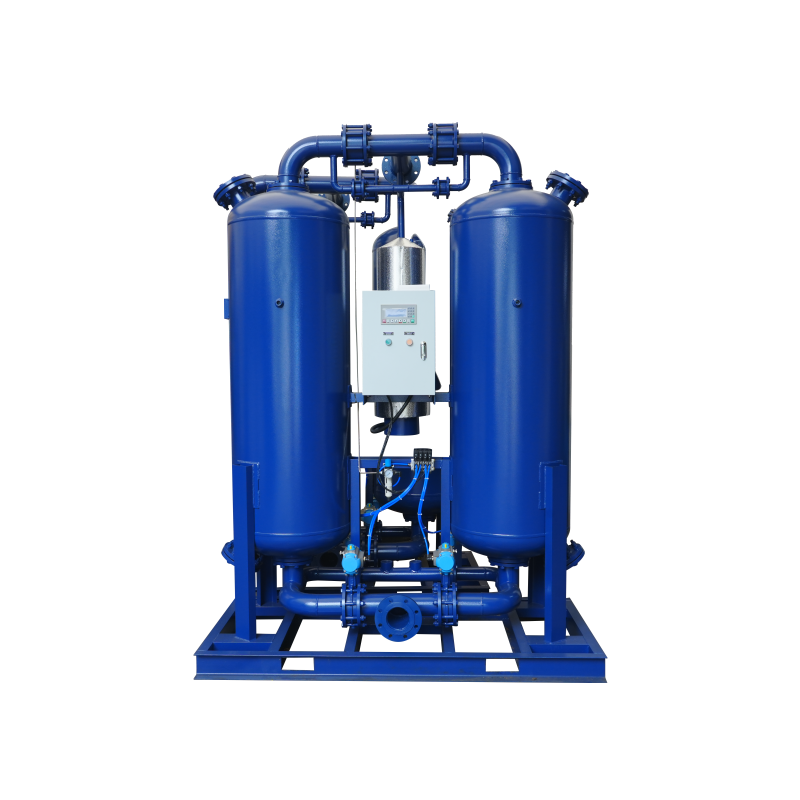
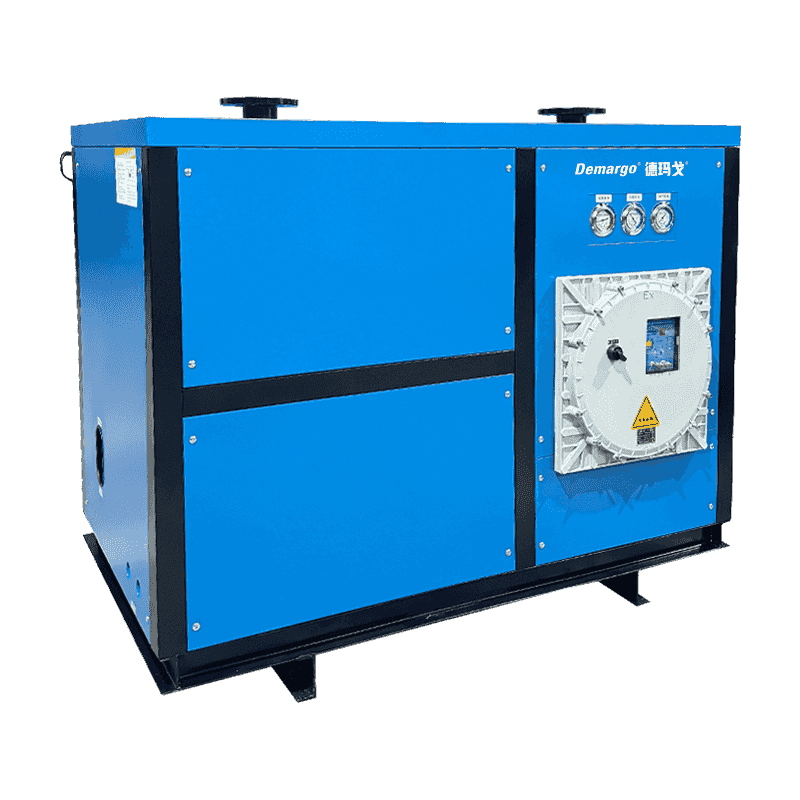
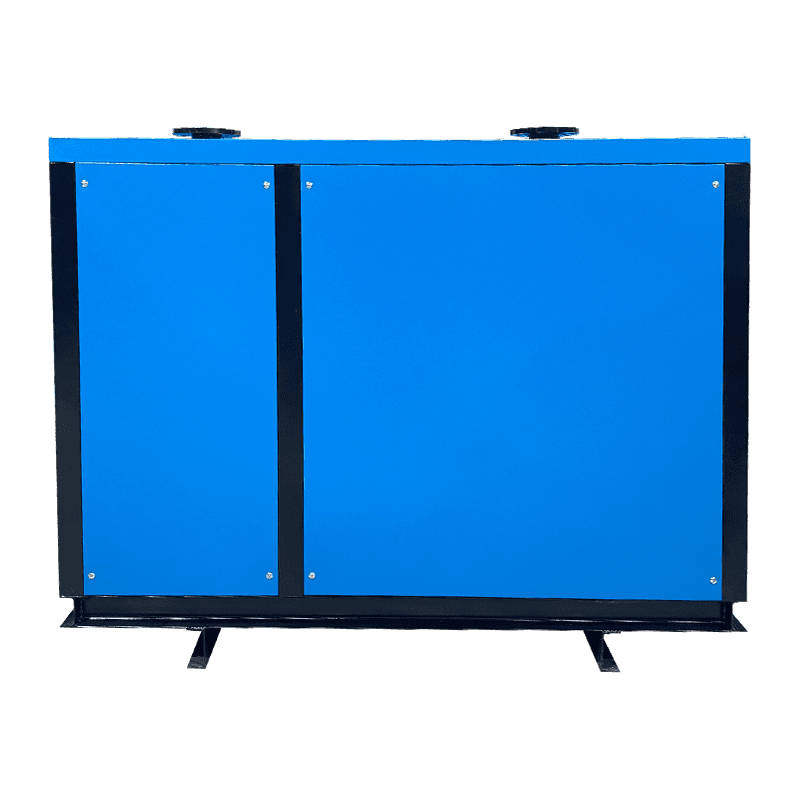
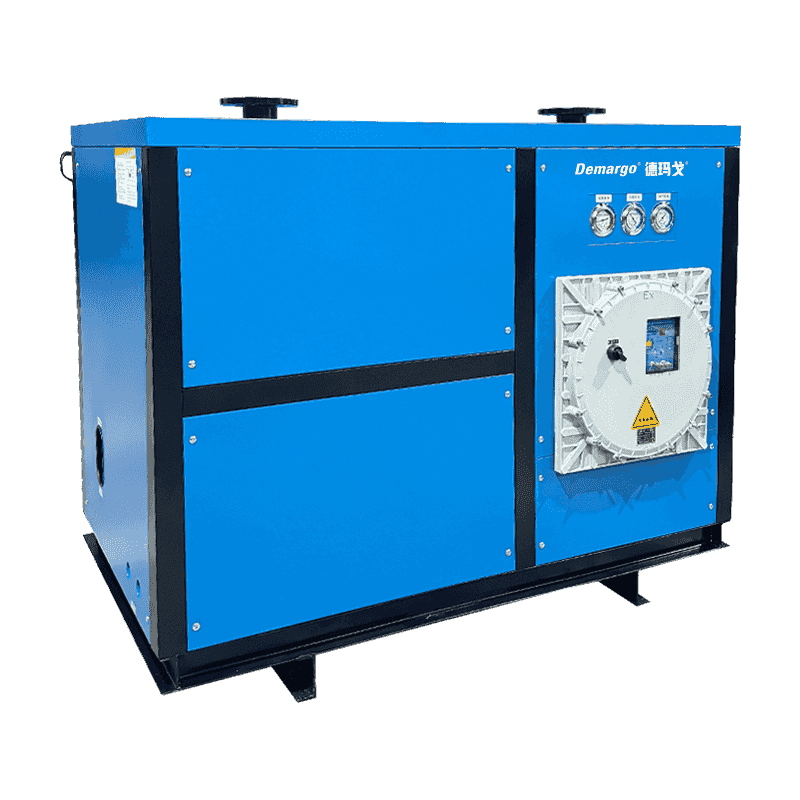
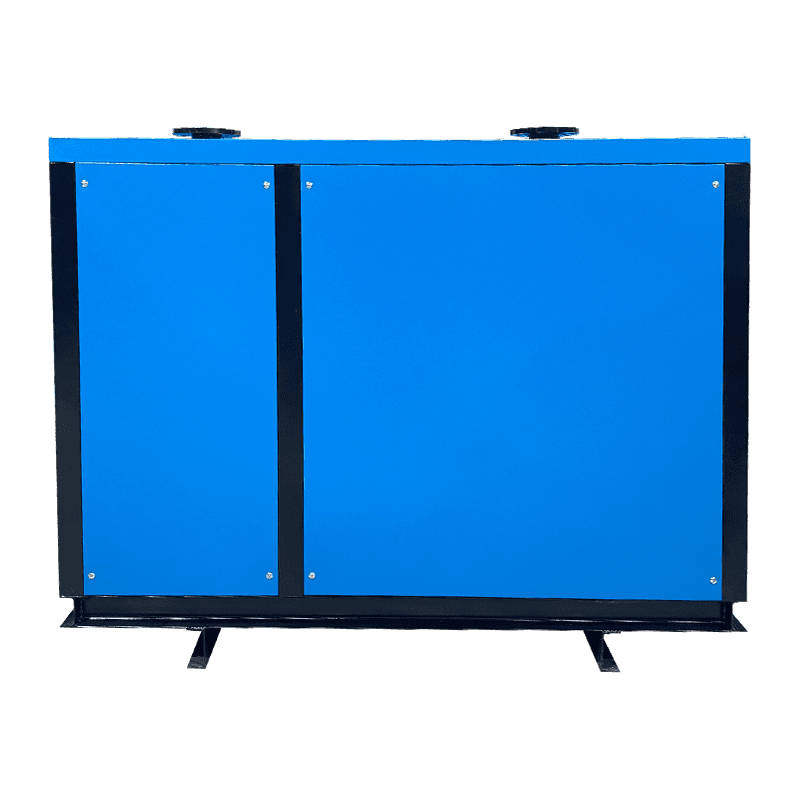
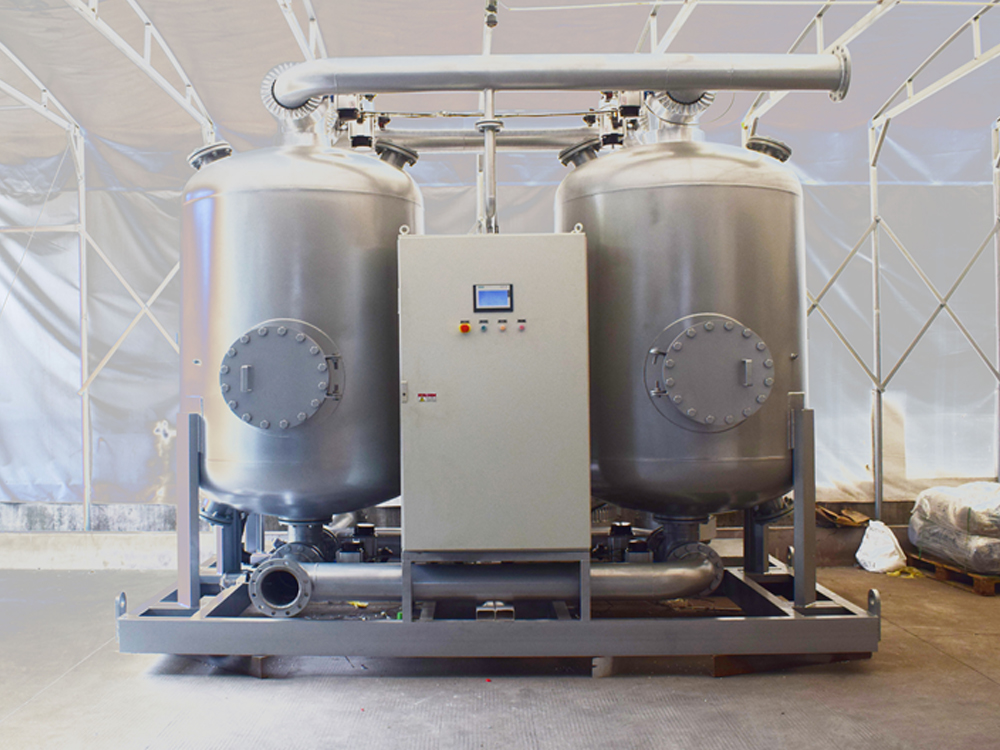
Explosion-proof air dryers are industrial compressed air treatment units engineered to operate reliably within classified hazardous locations, including Zone 1 and Zone 2 environments where flammable gases, vapors, or combustible dust may be present. Available in three distinct configurations — refrigerated, desiccant, and adsorption — these dryers remove moisture from compressed air systems to prevent corrosion, instrument malfunction, and process contamination in safety-critical facilities. All units carry ATEX and/or IECEx certification, confirming compliance with internationally recognized explosion protection standards.
Each dryer model is constructed with non-sparking, anti-corrosion materials and integrates sealed electrical enclosures, pressure-rated fittings, and automatic condensate management to minimize manual intervention in restricted-access areas. Whether the application demands moderate dew point control for general pneumatic tools or ultra-low dew point performance for precision instrumentation in petrochemical or offshore environments, an appropriately rated explosion-proof dryer provides the safety assurance and operational continuity required by facility engineers and HSE compliance teams.
Inquiry




Product Description
| Model Type | Flow Rate (CFM) | Dew Point | Explosion Zone | Voltage | Dimensions (mm) | Cert. |
|---|---|---|---|---|---|---|
| EX-RFD-100 Refrigerated | 100 | -20°C | Zone 1/2 | 220V/1Ph/50Hz | 900×600×1000 | ATEX |
| EX-DSD-200 Desiccant | 200 | -40°C | Zone 1 | 380V/3Ph/50Hz | 1100×700×1200 | IECEx |
| EX-ADS-300 Adsorption | 300 | -70°C | Zone 2 | 380V/3Ph/60Hz | 1200×800×1300 | ATEX, CE |
Utilizes a closed-loop refrigerant cycle to cool compressed air and condense moisture to a dew point typically between +2°C and -20°C. Well-suited for general manufacturing, pneumatic conveying, and instrumentation supply lines in Zone 1/2 classified areas where ambient conditions are moderate.
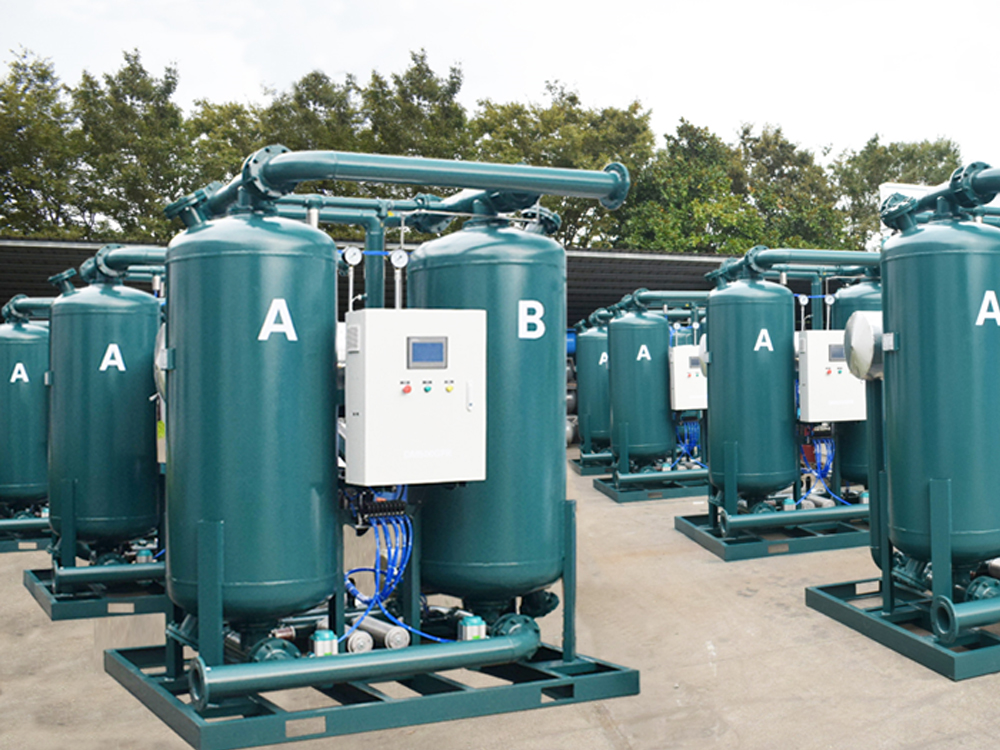
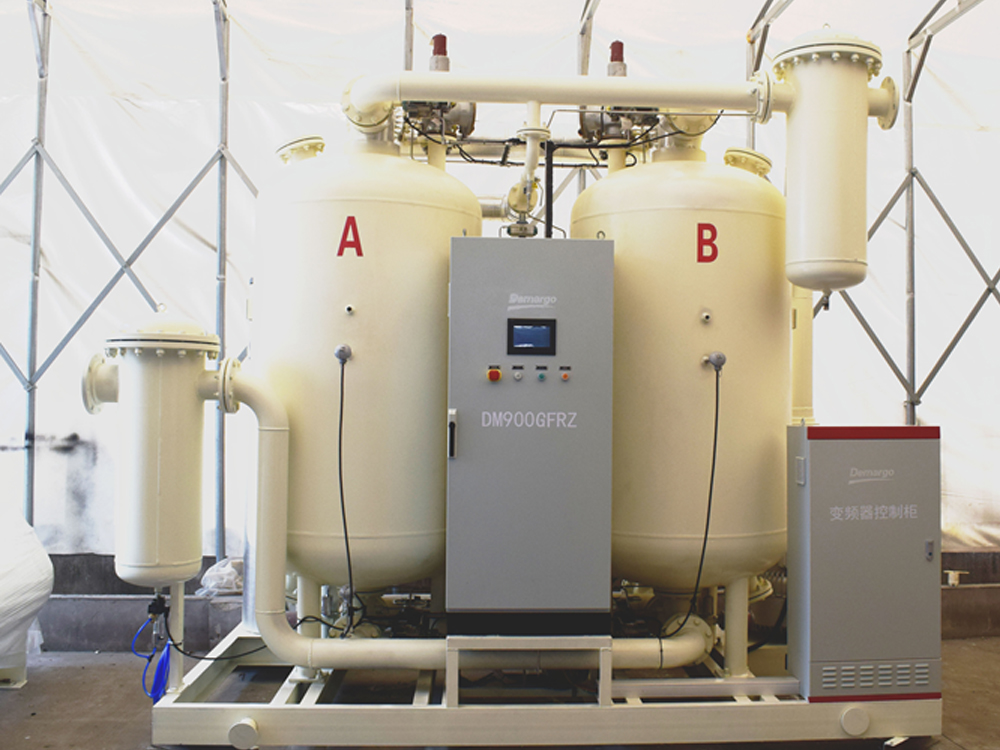
Zone 1 / Zone 2 Dew Point: +2°C to -20°CEmploys twin-tower desiccant beds — typically silica gel or activated alumina — alternating between adsorption and regeneration cycles to deliver compressed air at dew points as low as -40°C. Designed for continuous duty in critical process applications within petrochemical plants and mining operations where moisture carry-over is intolerable.
Zone 1 Dew Point: -40°CAchieves ultra-low dew points down to -70°C using molecular sieve or activated alumina media with heat-of-compression or purge-based regeneration. The preferred solution for instrument air in offshore platforms, subsea controls, and gas analysis systems where trace moisture causes measurement error or equipment failure.
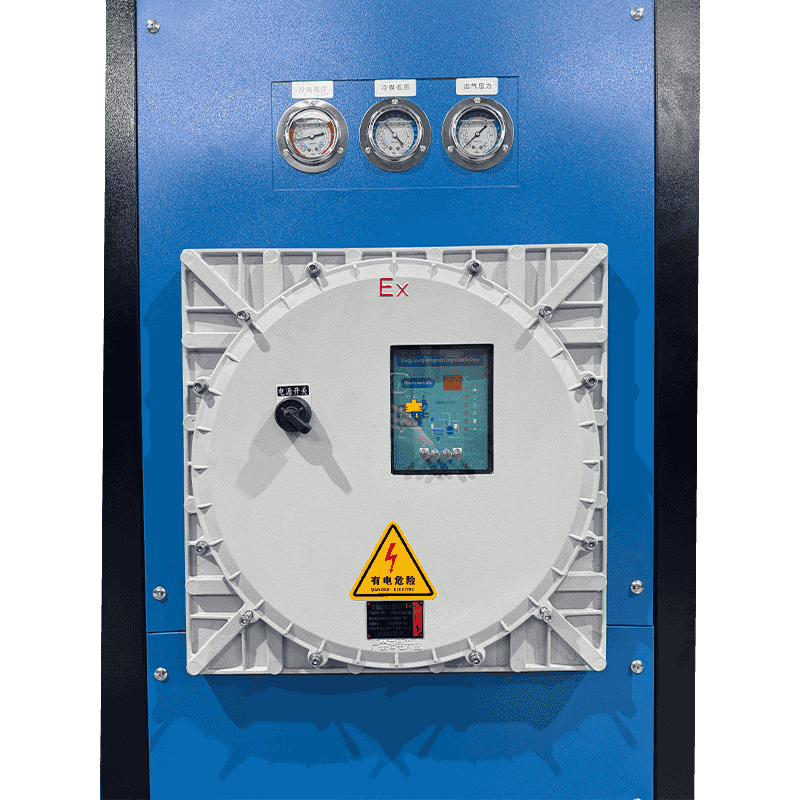
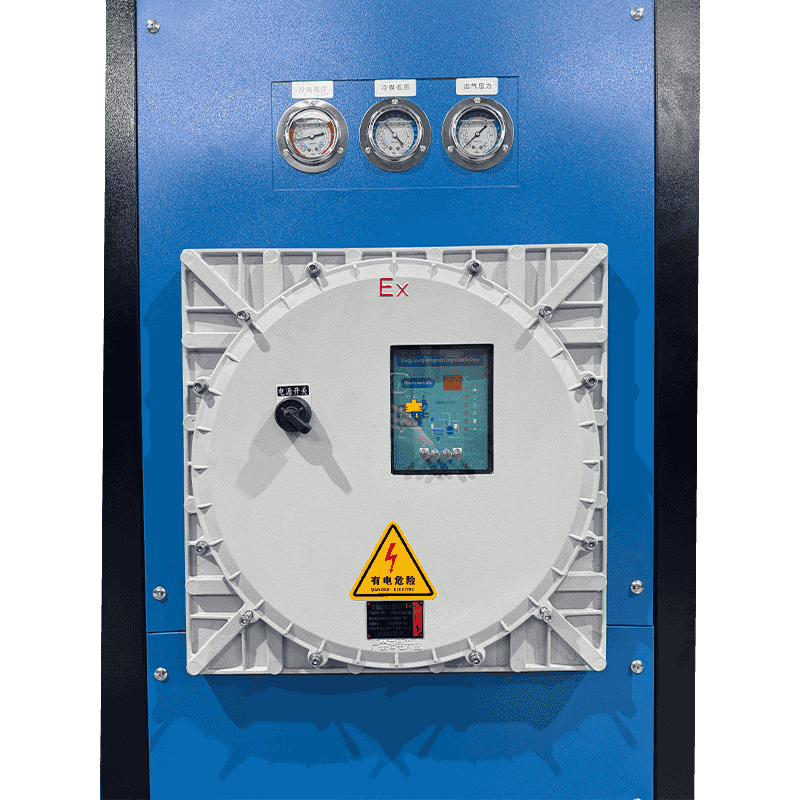
Zone 2 Dew Point: -70°CAll electrical and control components are housed within certified explosion-proof enclosures rated for the applicable equipment group and temperature class, in full conformance with ATEX Directive 2014/34/EU and IECEx international standards.
Pressure vessels and piping components are manufactured from stainless steel or specialized alloys with surface treatments to resist corrosive atmospheres. Internal parts are selected to eliminate ignition risks from mechanical friction or impact.
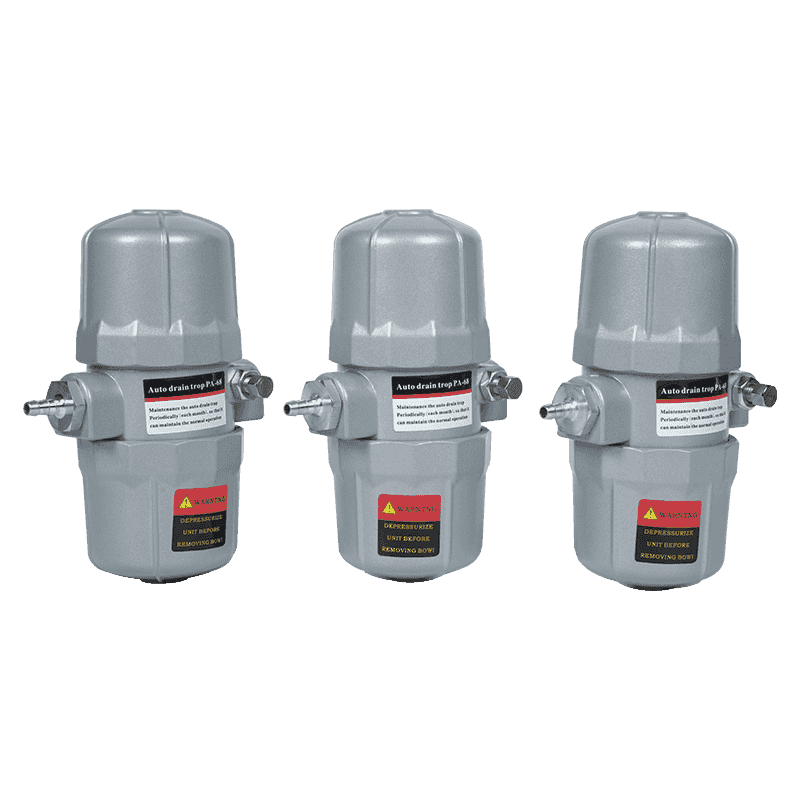
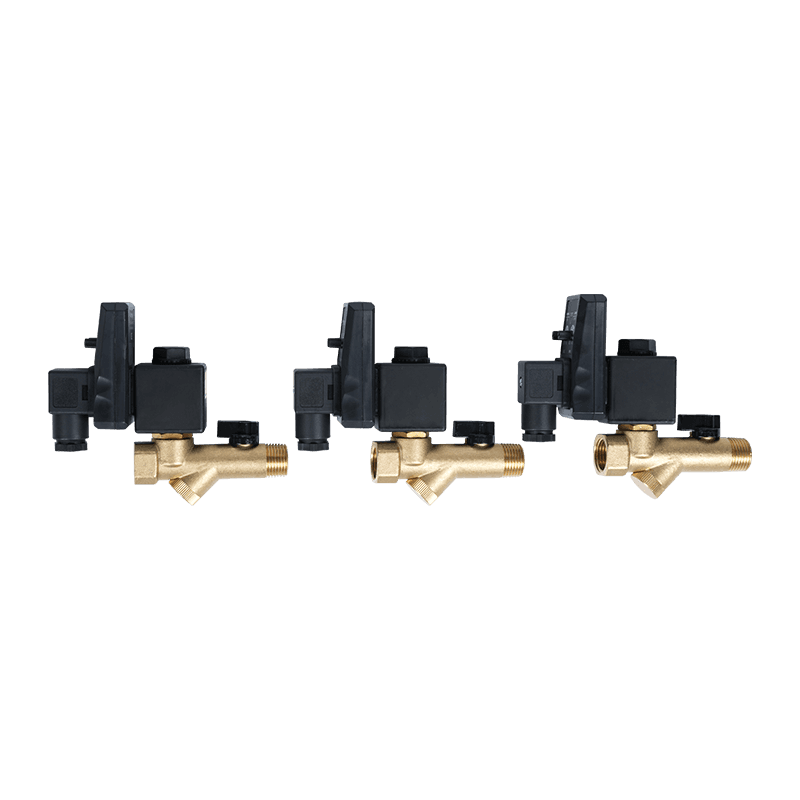
Timer-controlled or level-sensing automatic drains remove accumulated condensate without operator access to the hazardous zone, reducing maintenance frequency and eliminating the need for manual drain valves in restricted areas.
Built-in temperature, pressure, and dew point sensors feed into a local display panel and optional remote signal outputs. Fault alarms and shutdown interlocks prevent operation under out-of-specification conditions, protecting downstream equipment and personnel.
Compact footprint modules with standardized inlet/outlet connections allow installation in space-constrained machinery rooms or outdoor enclosures. Multiple units can be arranged in parallel to match system flow requirements without redesigning the air distribution layout.
Units are available in single-phase 220V/50Hz and three-phase 380V/50-60Hz supply configurations to match regional power infrastructure across international project sites, reducing the need for external transformer equipment.
| Parameter | Refrigerated | Desiccant | Adsorption |
|---|---|---|---|
| Typical Dew Point | +2°C to -20°C | -20°C to -40°C | -40°C to -70°C |
| Energy Consumption | Low to Medium | Medium (purge loss) | High (heat-of-comp. variant lower) |
| Maintenance Interval | Annual refrigerant check | 3–5 yr desiccant replacement | 3–5 yr molecular sieve replacement |
| Best Suited For | General pneumatic tools, conveyors | Process instrumentation, packaging | Gas analysis, offshore controls |
| Explosion Zone | Zone 1 / Zone 2 | Zone 1 | Zone 2 |
| Continuous Duty Rating | Yes | Yes (alternating towers) | Yes (with regeneration cycle) |
Instrument air and control valve supply in wellhead, separation, and refining units classified as Zone 1 hazardous areas.
Dry air supply for reactor pneumatics, valve actuators, and analyser shelters where moisture ingress causes process deviation or catalyst degradation.
Rock drilling rigs, pneumatic hoisting equipment, and ventilation controls operating in coal or mineral extraction zones with methane or dust explosion risk.
Moisture-free atomizing air for spray guns and robotic applicators in booths where solvent vapors create explosive atmospheres throughout the production shift.
Purging and blanketing compressed air lines in tank farms and chemical warehouses handling reactive or moisture-sensitive bulk substances stored in explosion-rated buildings.
Topside instrument air systems and subsea control module supply on fixed or floating production platforms, where both marine corrosion and hydro-carbon explosion hazards apply simultaneously.
A standard dryer is designed for safe, general-purpose environments and does not carry formal explosion protection certification. An explosion-proof dryer incorporates sealed electrical enclosures that contain any internal sparks or arcs, non-sparking internal components, pressure-rated fittings, and temperature-class-rated materials — all verified by a third-party certification body (ATEX or IECEx). This prevents the dryer itself from becoming a source of ignition in areas where flammable gases or vapors may be present.
Selection is primarily governed by the required pressure dew point (PDP) for your process. Refrigerated dryers are sufficient when PDP between +3°C and -20°C satisfies the application — typically general pneumatics and conveyors. Desiccant dryers are required when PDP reaches -40°C, common for instrumentation and packaging lines. Adsorption dryers producing PDP down to -70°C are reserved for gas analysis, subsea controls, or any process where trace moisture causes measurement error or component failure. Consult your system pressure, flow rate, and ambient temperature alongside the PDP requirement before specifying a unit.
Under the IEC 60079 classification system, Zone 1 is an area where flammable gas or vapor is likely to be present during normal operation, while Zone 2 refers to areas where it is only present in abnormal conditions or infrequently for short periods. Equipment certified for Zone 1 is also safe to install in Zone 2. Refrigerated dryers in this range are typically rated for both Zone 1 and Zone 2. Desiccant models are generally specified for Zone 1 only due to the higher ignition energy present in regeneration cycles. Adsorption dryers in the series are certified for Zone 2 unless specifically upgraded with Zone 1-rated controls.
Maintenance requirements vary by dryer type. Refrigerated units require annual inspection of refrigerant charge, condenser coil cleaning, and automatic drain valve testing. Desiccant and adsorption dryers require periodic replacement of the adsorption media (typically every 3 to 5 years depending on inlet air quality and operating hours), along with inspection of switching valves and regeneration heaters. All types should have inlet filters serviced at manufacturer-recommended intervals to protect media and heat exchangers from particulate contamination. Any work inside a classified hazardous zone must comply with site hot-work and permit-to-work procedures.
Yes, subject to correct specification. Units intended for outdoor or offshore installation are typically supplied with IP55 or higher ingress protection enclosures, stainless steel external fasteners, and epoxy or marine-grade coatings to resist salt spray and UV exposure. For offshore platforms, additional documentation — including material traceability certificates, third-party inspection records, and compliance with platform-specific area classification drawings — is normally required before installation approval. Confirm the operating ambient temperature range with the supplier if the site experiences extremes below -10°C or above 45°C.
Capacity depends on the total compressed air flow rate of the network. For high-demand facilities, multiple dryer units can be installed in parallel to match peak demand while providing redundancy during maintenance shutdowns. A lead-lag control arrangement — where one unit handles base load and others activate on demand — is common in petrochemical and offshore installations where continuous dry air availability is a process requirement, not merely a convenience. Correct sizing requires knowing the system's maximum flow rate, inlet air temperature, inlet pressure, and required PDP.
Construction Cases
Dalian Dahua Group Co., Ltd.
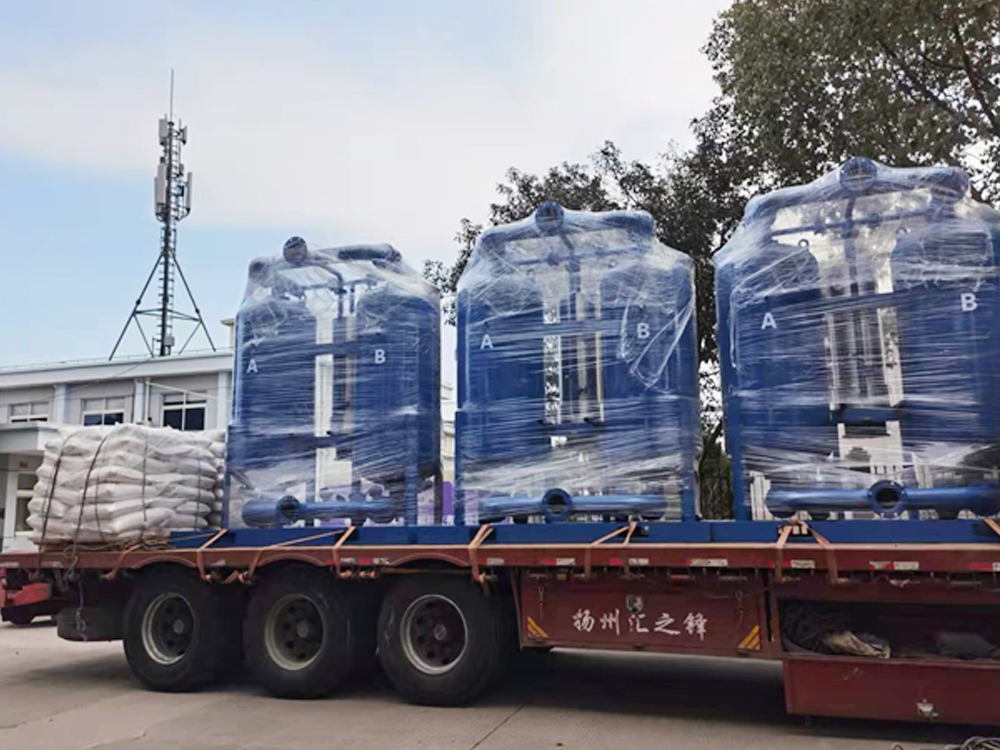
A large-scale electronic new material company in Jiangsu (Fortune 500)
Shenyang Engine Research Institute
A large optoelectronics factory in Jiangsu
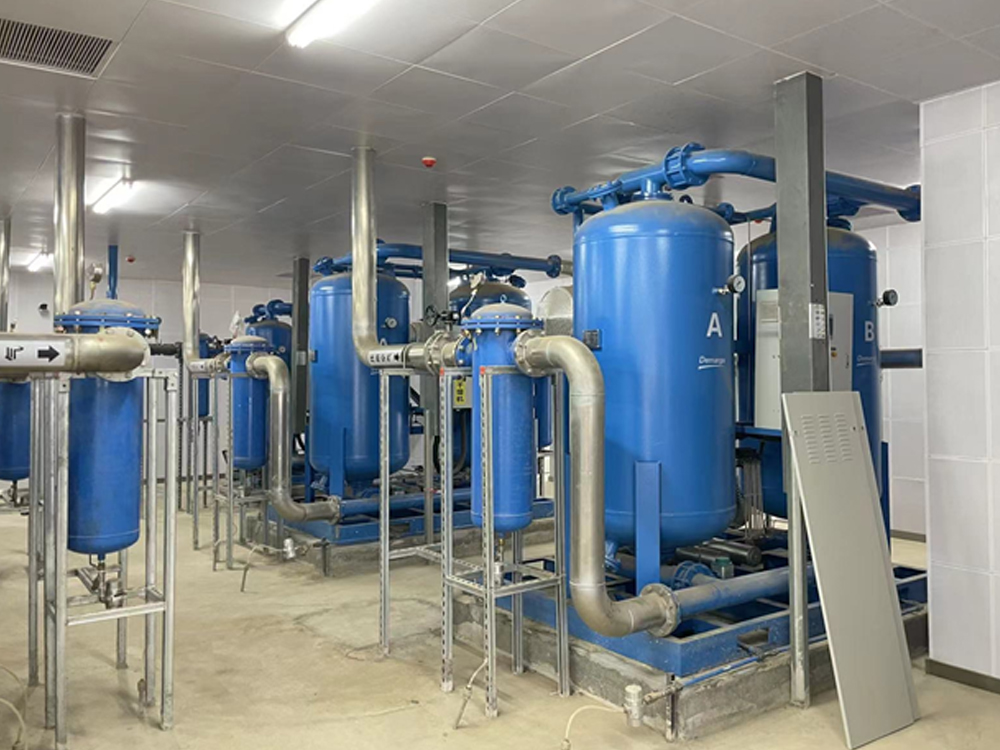
Hainan Haikou Airport
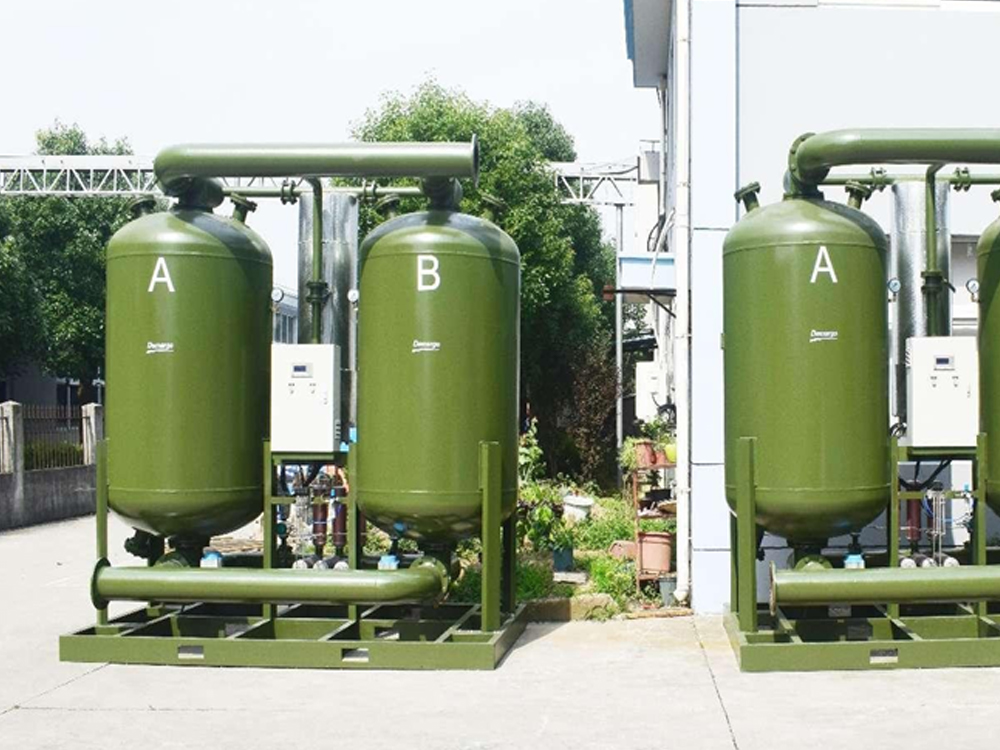
Equipment of a military factory in Shanghai
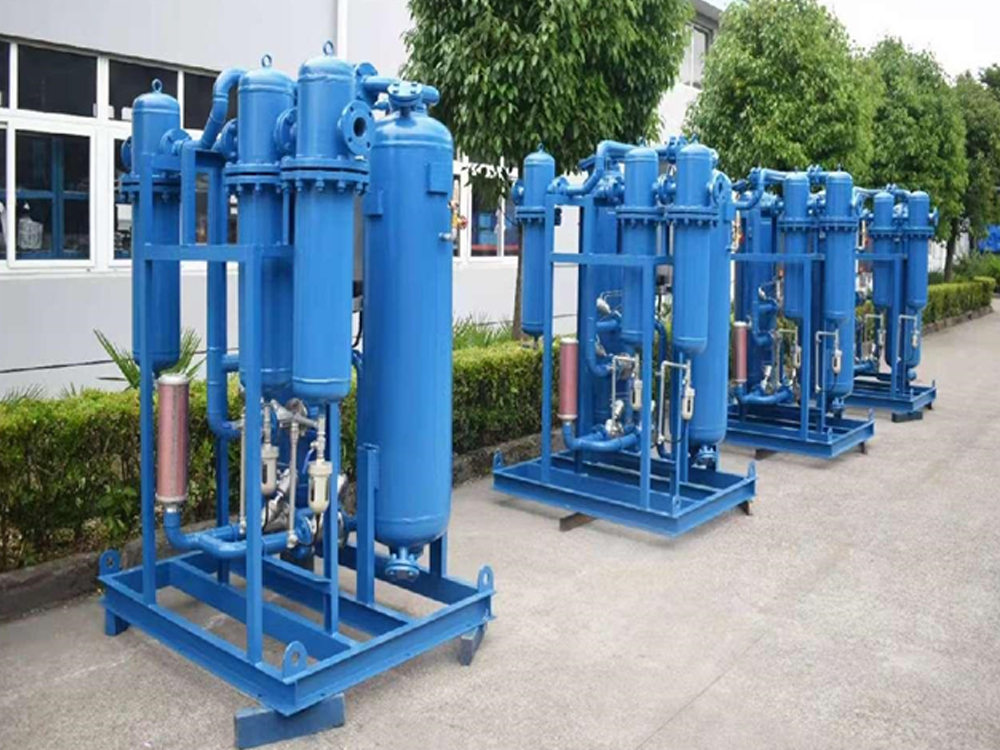
PetroChina offshore drilling platform
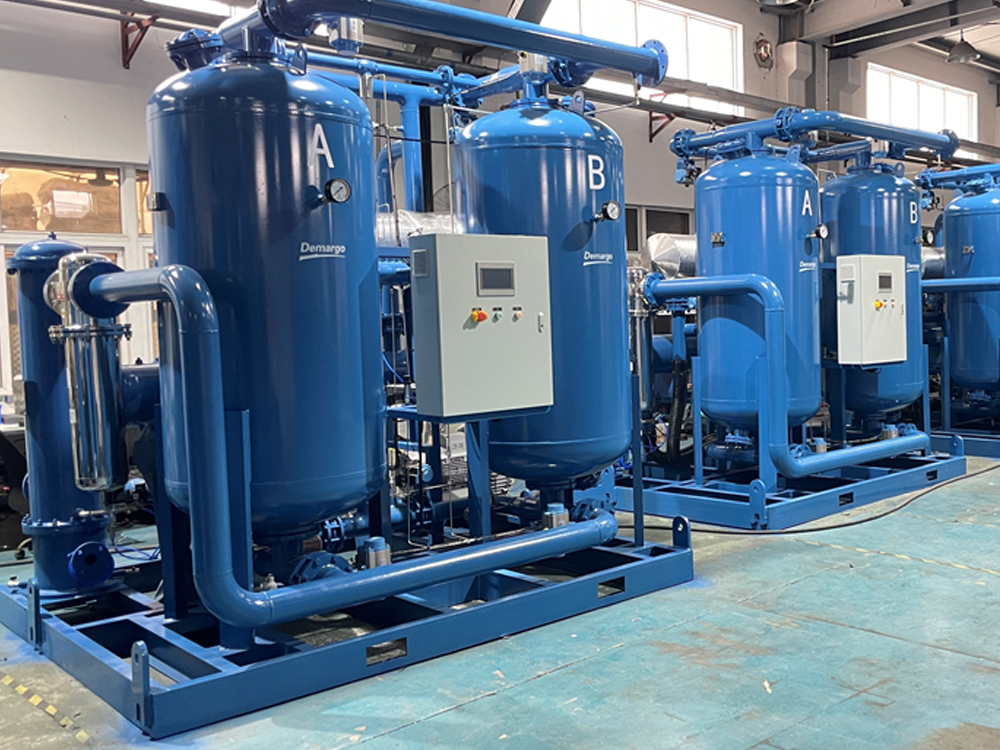
A chemical company in Shandong
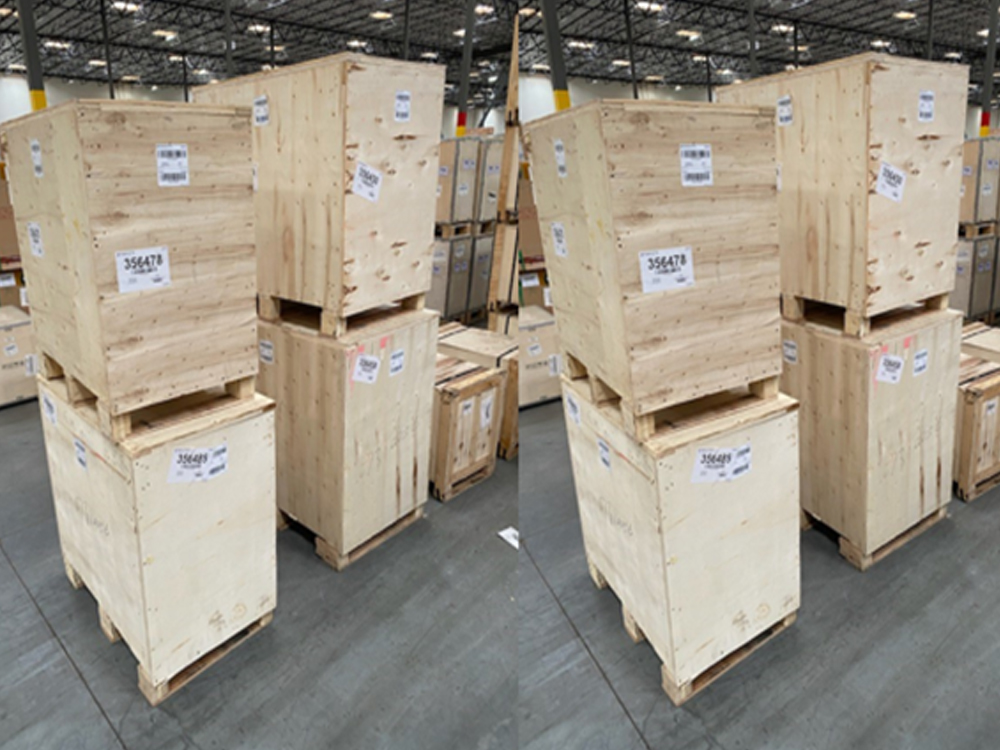
A company in California, USA
Contact Us for More Details
Don't hesitate to contact when you need us!
Related Products


Conclusion up front: If you compress air, you need an oil-water separator. If you have one, you need to maintain it. A well-maintained separator protects your ...
View MoreWalk through any plant that runs pneumatic tools, laser cutters, or precision control valves, and you will eventually hear the same complaint: the air line is ...
View MoreAt a petrochemical plant, a sticking control valve, a drifting analyzer, or a slow-acting emergency shutdown valve usually has one root cause: contaminated or ...
View MoreChemical process cooling equipment is not just about making process fluids cold. It is about controlling temperature precisely enough to protect reactors, stab...
View More
ADD: No. 9, Lane 38, Caoli Road, Fengjing Town, Jinshan District, Shanghai, China
Tel: 0086-17321147609
Email: [email protected]
Copyright © Demargo (Shanghai) Energy Saving Technology Co., Ltd. Rights Reserved. Wholesale ATEX/IECEx Explosion-Proof Air Dryers for Hazardous Environments Suppliers