INQUIRE NOW
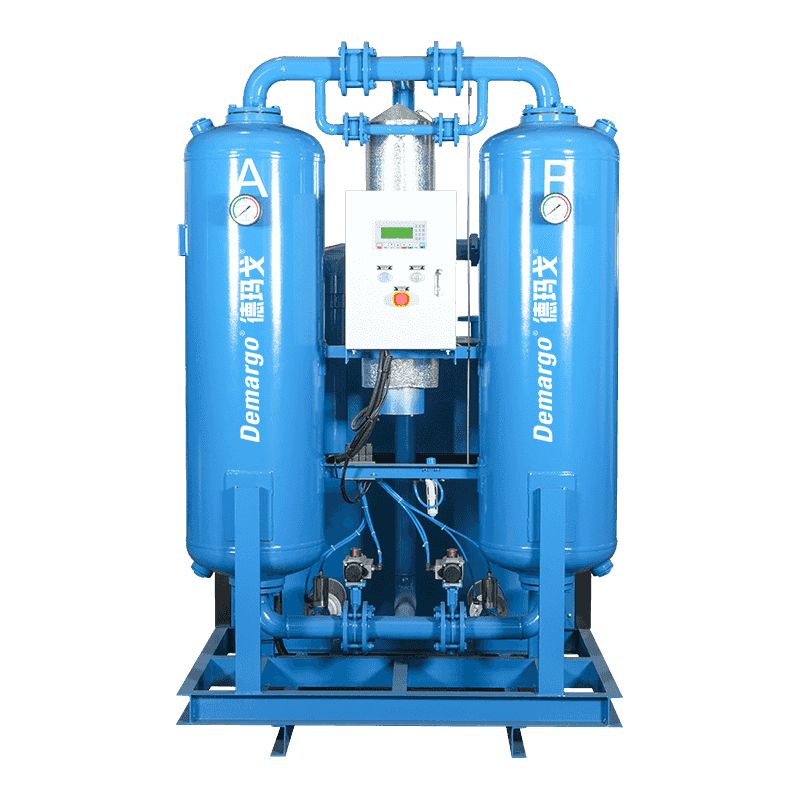
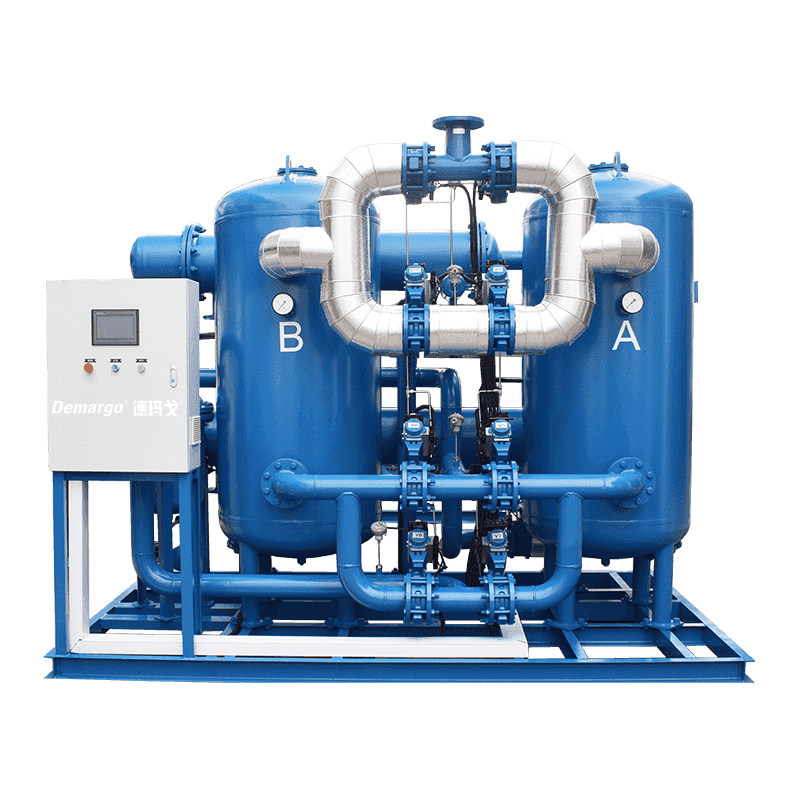
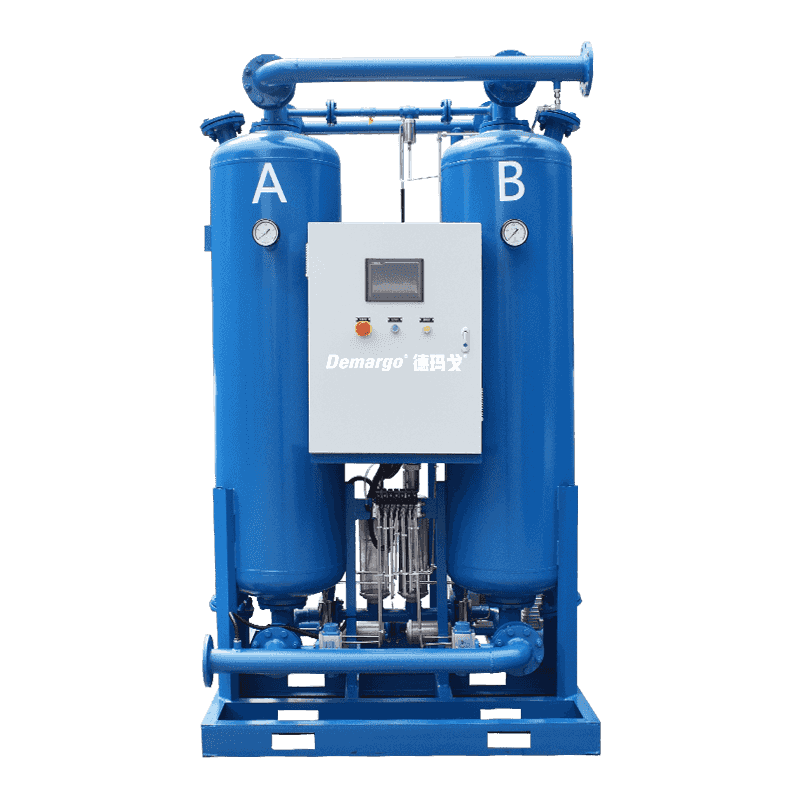
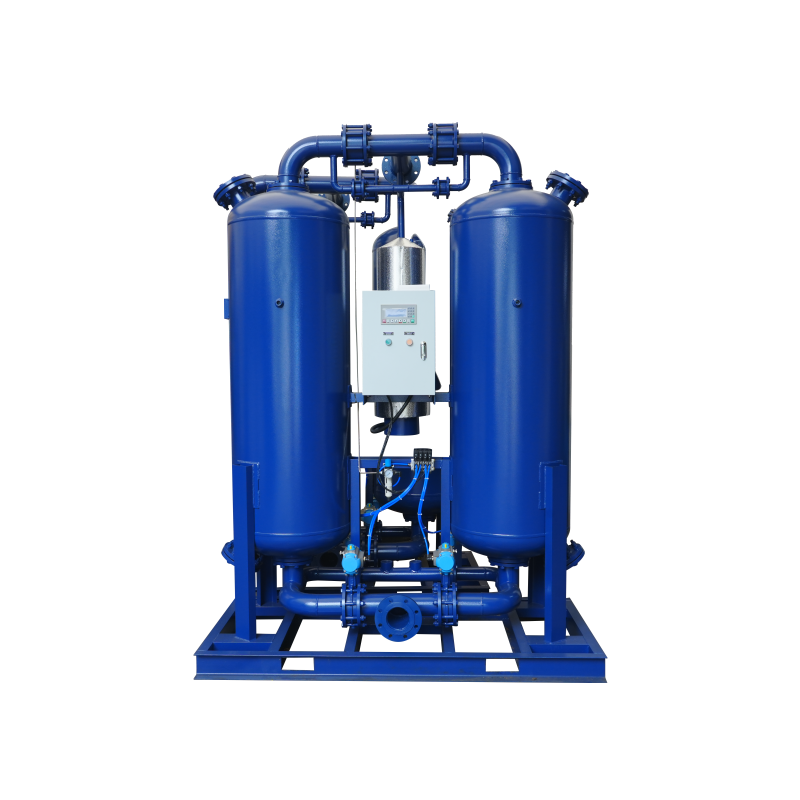
Compressed air dryer systems remove moisture, oil vapor, and particulate contamination from the discharge stream of industrial air compressors, making the processed air suitable for precision tooling, automated production lines, and process-critical manufacturing environments. Available in refrigerated, desiccant, and adsorption configurations, these systems address a broad spectrum of dew point requirements — from standard industrial-grade dryness down to cryogenic-level performance at −70°C — and are engineered to integrate with virtually all compressor capacities and installation layouts.
Moisture-laden compressed air accelerates internal corrosion in pipework and actuators, degrades pneumatic control accuracy, and contaminates end products in food, pharmaceutical, and coating applications. A correctly specified dryer system eliminates these failure modes at the source, extending downstream equipment service life and maintaining consistent process output quality across varying ambient and load conditions.
Inquiry


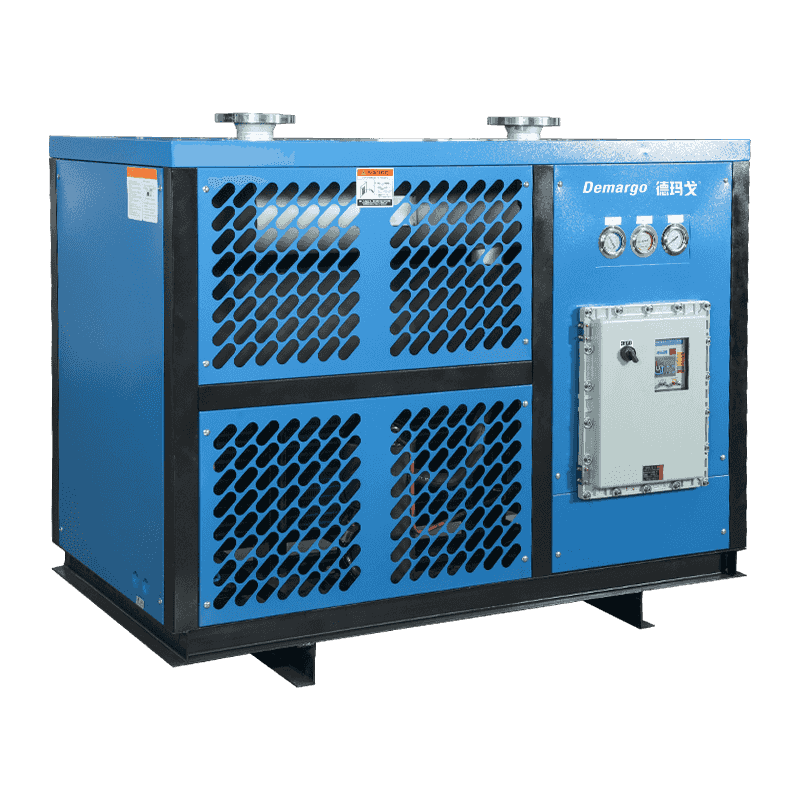


Product Description
| Model | Flow Rate (CFM) | Dew Point | Type | Voltage | Dimensions (mm) |
|---|---|---|---|---|---|
| RXD-100 | 100 | -20°C | Refrigerated | 220V / 1Ph / 50Hz | 800 × 600 × 900 |
| DSD-200 | 200 | -40°C | Desiccant | 380V / 3Ph / 50Hz | 1000 × 700 × 1100 |
| ADS-300 | 300 | -70°C | Adsorption | 380V / 3Ph / 50Hz | 1200 × 750 × 1200 |
Systems deliver outlet dew points from −20°C (refrigerated) down to −70°C (adsorption), meeting the most stringent process air purity requirements without additional downstream treatment.
Integrated demand-controlled switching and load-sensing valves reduce energy consumption during partial-load operation, avoiding continuous full-cycle running that unnecessarily increases operating cost.
Inlet and outlet connections are sized to standard BSP and NPT thread specifications, allowing direct integration with rotary screw, reciprocating piston, scroll, and centrifugal compressor types.
All units conform to CE machinery directive standards and ISO 8573 compressed air quality classifications, enabling deployment in regulated manufacturing and export-oriented production facilities.
The cabinet dimensions are optimized for inline installation between the compressor aftercooler and the distribution header, minimizing the floor space required in constrained plant rooms.
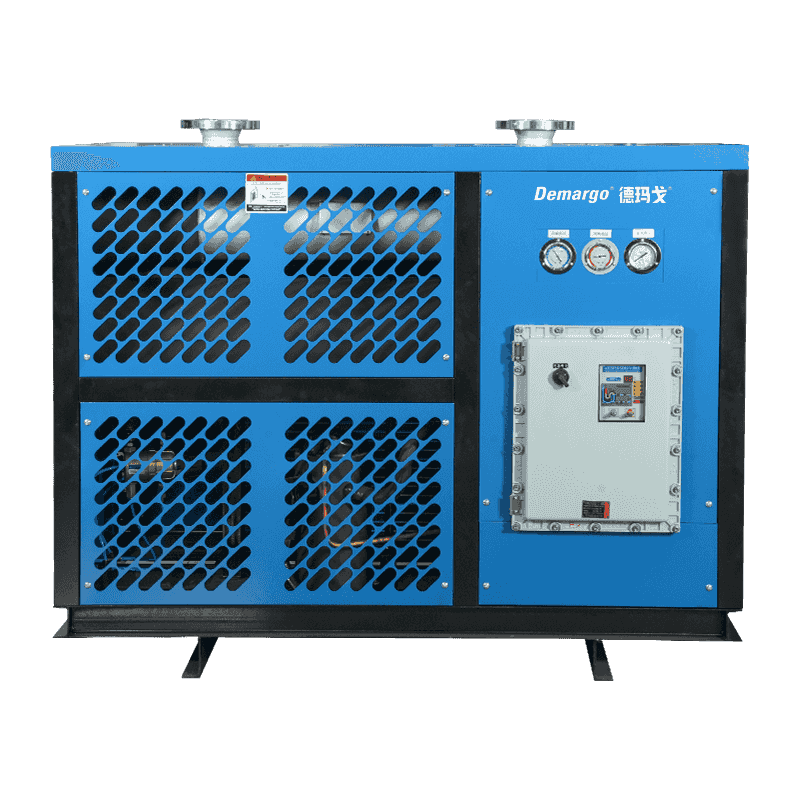
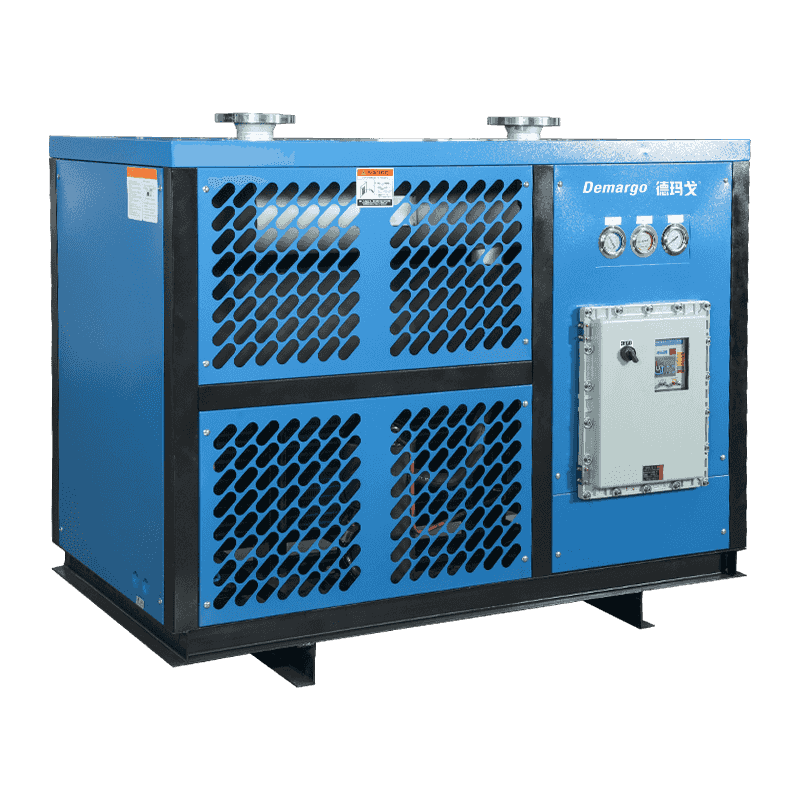
Select configurations carry ATEX or IECEx explosion-proof certification for installation in Zone 1 and Zone 2 hazardous areas where flammable gases, vapors, or dusts may be present in the atmosphere.
| Criterion | Refrigerated Dryer | Desiccant Dryer | Adsorption Dryer |
|---|---|---|---|
| Achievable Dew Point | +3°C to −20°C | −40°C | −70°C |
| Purge Air Loss | None | 15–20% of flow | 5–10% (heated) |
| Energy Consumption | Low | Medium–High | Medium (with heat) |
| Maintenance Interval | 6–12 months | 3–6 months (desiccant) | 12–24 months |
| Typical Application | General industrial | Critical process air | Continuous low-dew ops |
| Hazardous Area Suitability | With EX-rated variant | With EX-rated variant | With EX-rated variant |
Pressure dew point (PDP) is the temperature at which moisture begins to condense from compressed air at the system's operating pressure. It differs from atmospheric dew point because higher pressure concentrates water vapor. Selecting a dryer with a PDP rating sufficiently below the coldest point in the distribution system prevents liquid water from forming inside pipework, actuators, and instruments downstream.
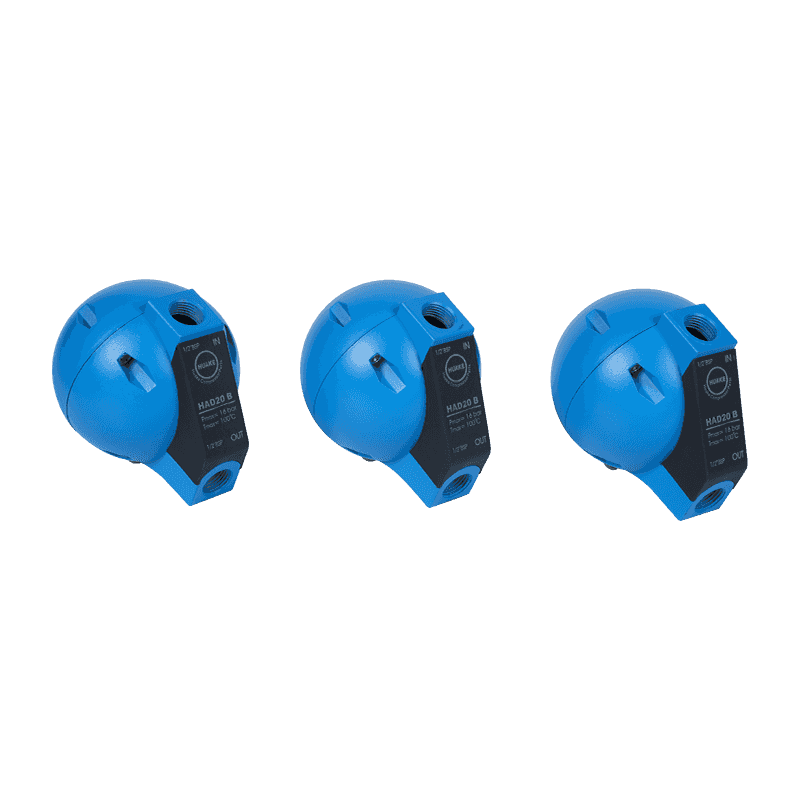
Standard refrigerated dryers are rated for ambient operating temperatures of 5°C to 45°C. Below 5°C, the condensate drain and heat exchanger passages risk ice formation, which blocks drainage and can crack internal components. For outdoor or unheated enclosure installations, either a freeze-protected refrigerated model with electric trace heating, or a desiccant-type dryer, should be specified instead.
Desiccant dryers require periodic inspection and replacement of the desiccant media — typically activated alumina or molecular sieve — which degrades if exposed to oil carryover from an inadequately maintained compressor. The switching valves and purge orifices should be checked every 3–6 months. Refrigerated dryers primarily require cleaning of the heat exchanger fins, checking the refrigerant charge annually, and testing the automatic condensate drain function, making their maintenance cycle less frequent in clean-air environments.
The explosion-proof classification applies to the physical installation zone of each piece of equipment, not to the process fluid. If the dryer is installed inside a classified Zone 1 or Zone 2 hazardous area boundary, it must carry the appropriate ATEX or IECEx rating regardless of where the compressor is located. If the dryer is installed in a non-classified area with only the airline penetrating the hazardous zone, standard equipment is acceptable, subject to local authority review.
Under ISO 8573-1, refrigerated dryers combined with a coalescing filter achieve approximately Class 4 for moisture content (PDP +3°C). Desiccant dryers reach Class 2 (PDP −40°C) and adsorption dryers achieve Class 1 (PDP −70°C). Final air quality class also depends on particulate and oil content, which require matched filtration upstream and downstream of the dryer to fully satisfy the stated class designation.
Dryer flow ratings published in datasheets are typically based on a reference inlet temperature of 35°C and an ambient temperature of 25°C. Higher inlet temperatures carry more water vapor per unit volume, increasing the moisture load on the dryer and effectively reducing its usable capacity. A correction factor must be applied during sizing: at 45°C inlet temperature, the usable capacity of a refrigerated dryer may be reduced by 20–30% relative to its nominal rating, requiring selection of a larger model.
Construction Cases
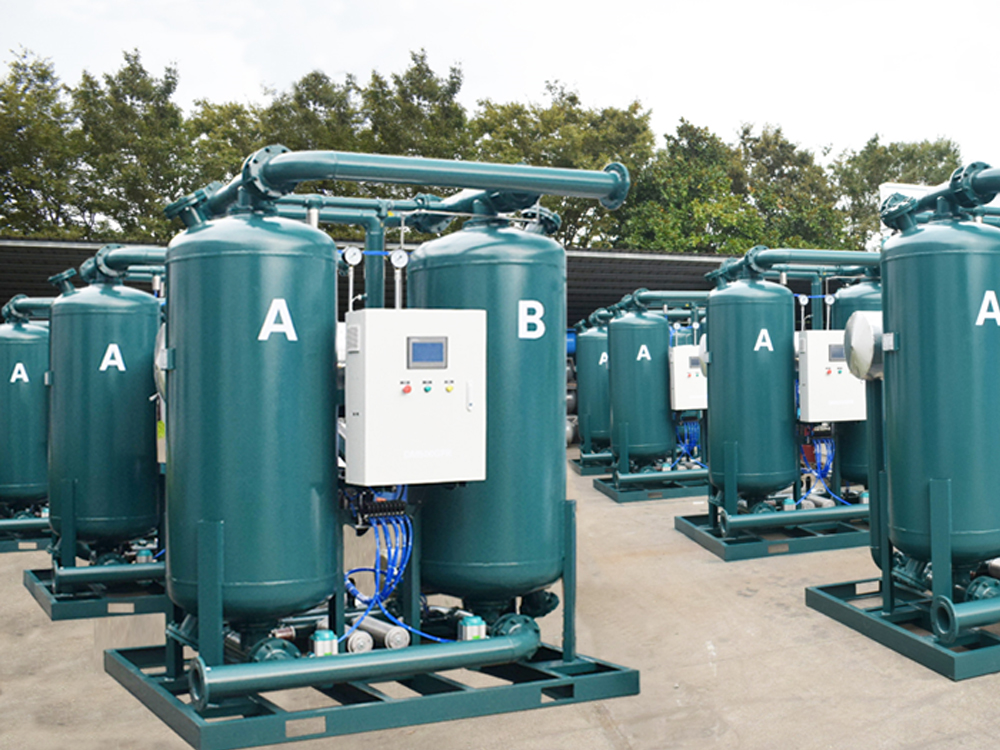
Dalian Dahua Group Co., Ltd.
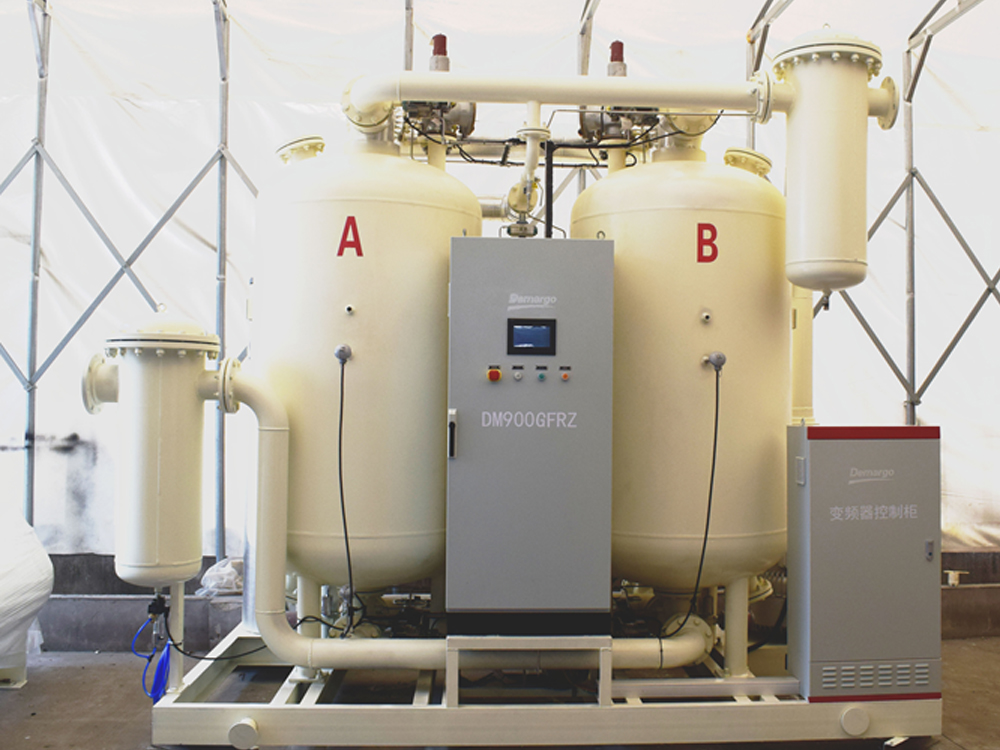
A large-scale electronic new material company in Jiangsu (Fortune 500)
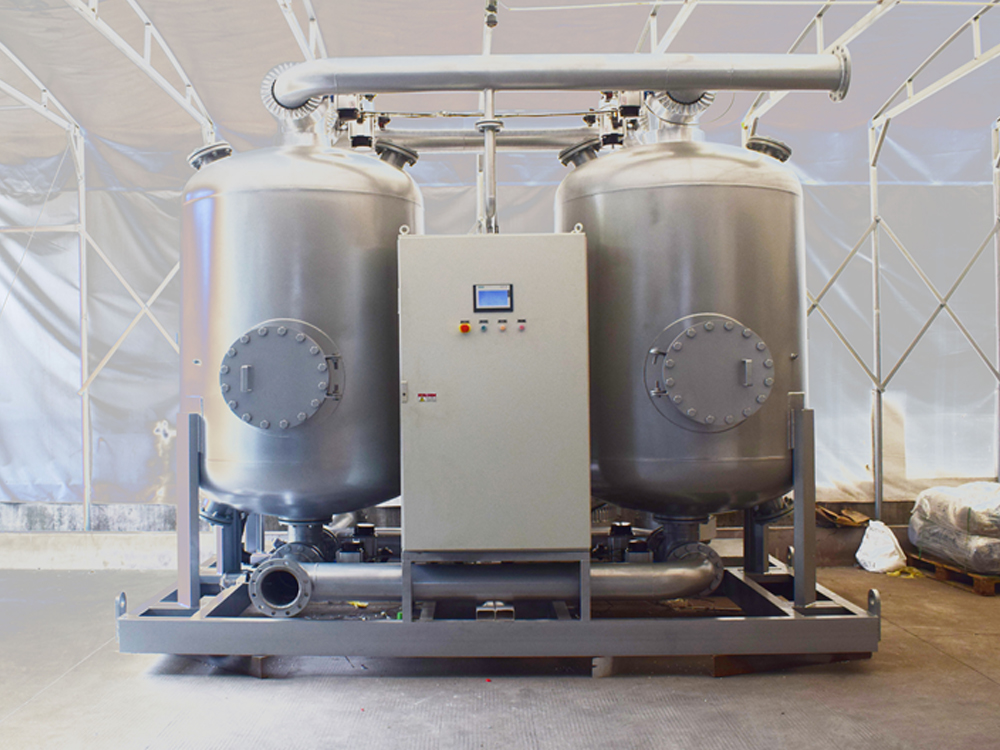
Shenyang Engine Research Institute
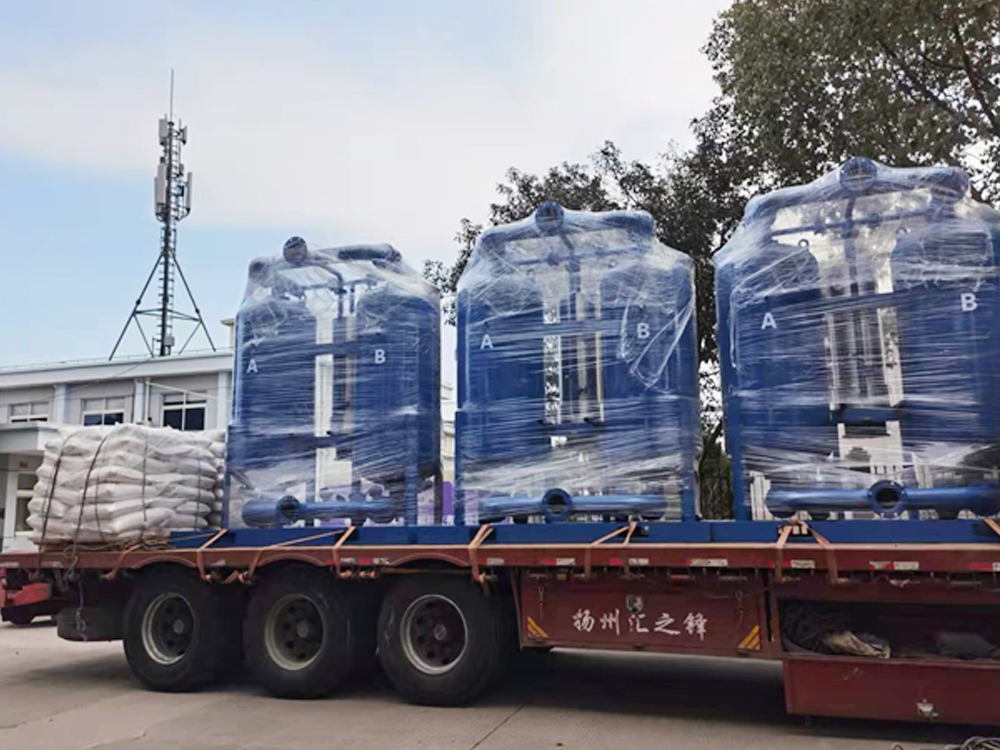
A large optoelectronics factory in Jiangsu
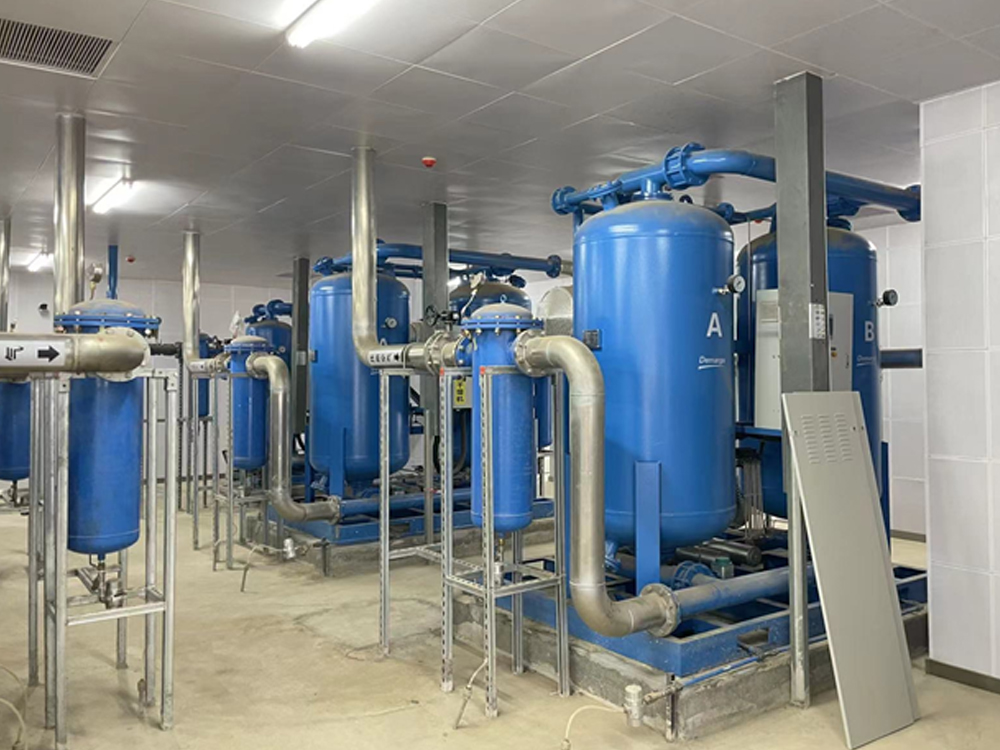
Hainan Haikou Airport
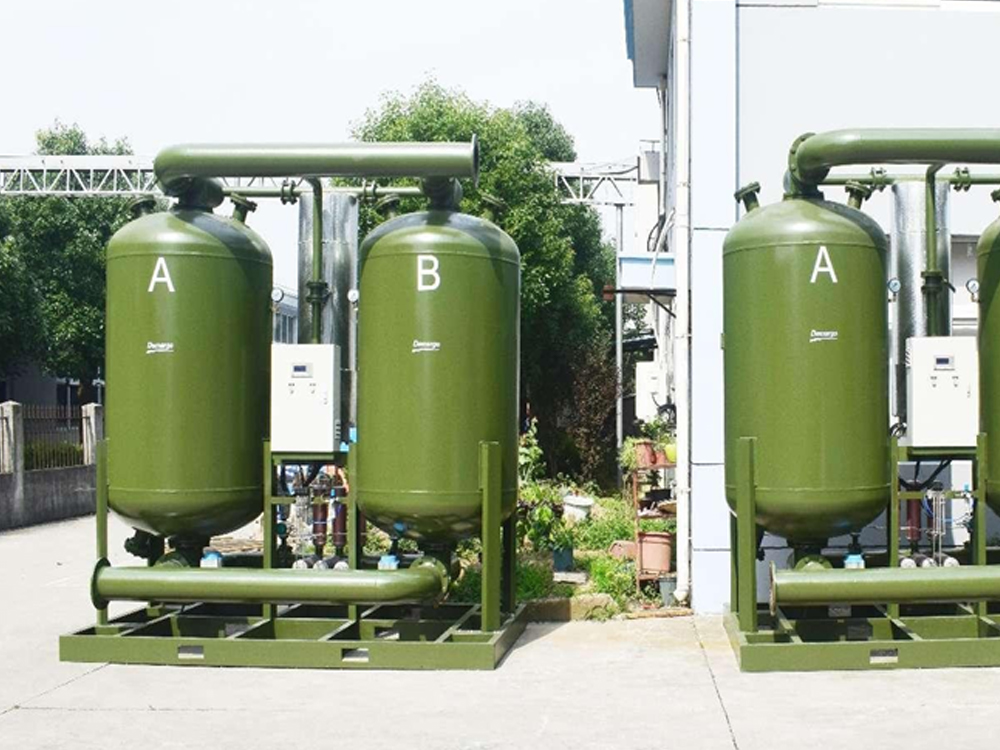
Equipment of a military factory in Shanghai
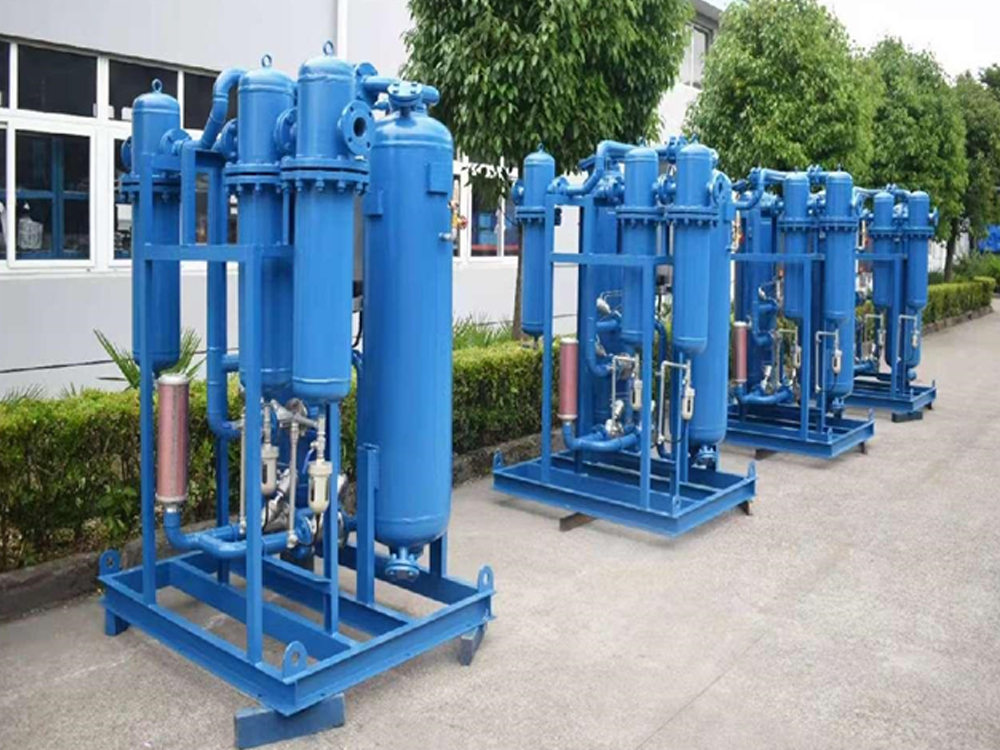
PetroChina offshore drilling platform
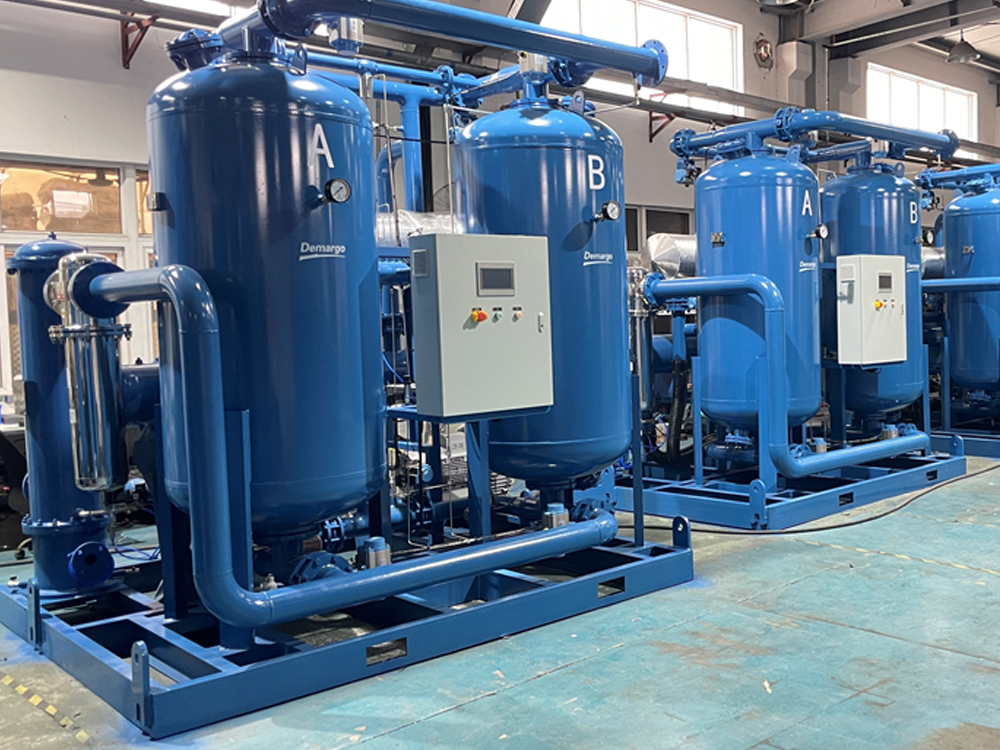
A chemical company in Shandong
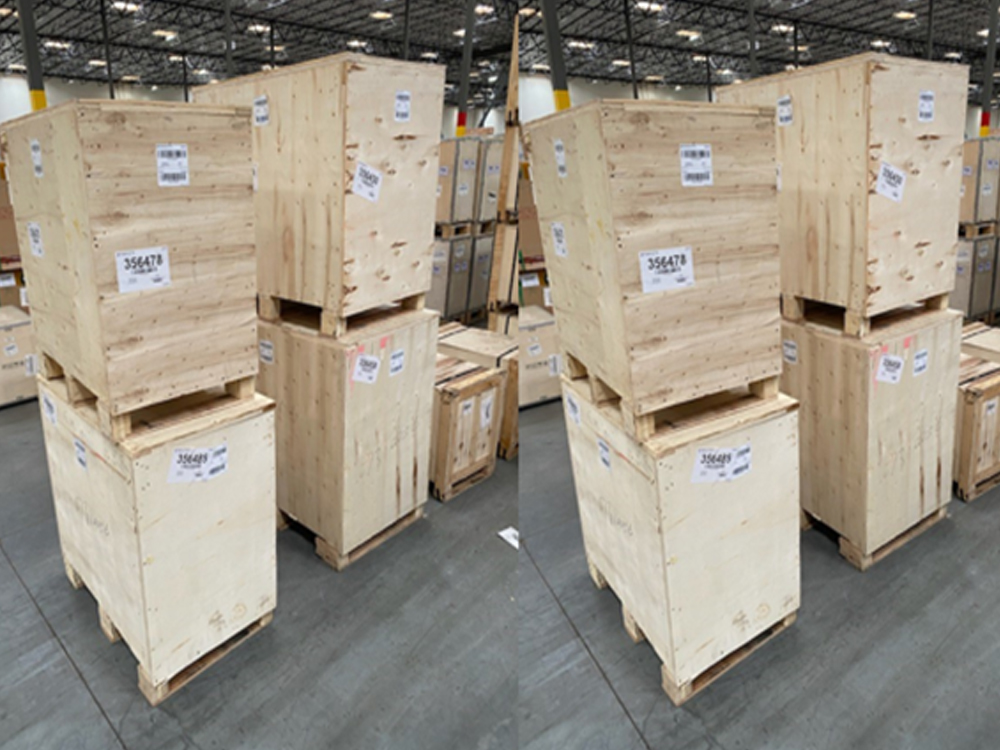
A company in California, USA
Contact Us for More Details
Don't hesitate to contact when you need us!
Related Products



Conclusion up front: If you compress air, you need an oil-water separator. If you have one, you need to maintain it. A well-maintained separator protects your ...
View MoreWalk through any plant that runs pneumatic tools, laser cutters, or precision control valves, and you will eventually hear the same complaint: the air line is ...
View MoreAt a petrochemical plant, a sticking control valve, a drifting analyzer, or a slow-acting emergency shutdown valve usually has one root cause: contaminated or ...
View MoreChemical process cooling equipment is not just about making process fluids cold. It is about controlling temperature precisely enough to protect reactors, stab...
View More
ADD: No. 9, Lane 38, Caoli Road, Fengjing Town, Jinshan District, Shanghai, China
Tel: 0086-17321147609
Email: [email protected]
Copyright © Demargo (Shanghai) Energy Saving Technology Co., Ltd. Rights Reserved. Wholesale High-Performance Explosion-Proof Dryer Systems for Industrial Air Compressors Suppliers