INQUIRE NOW
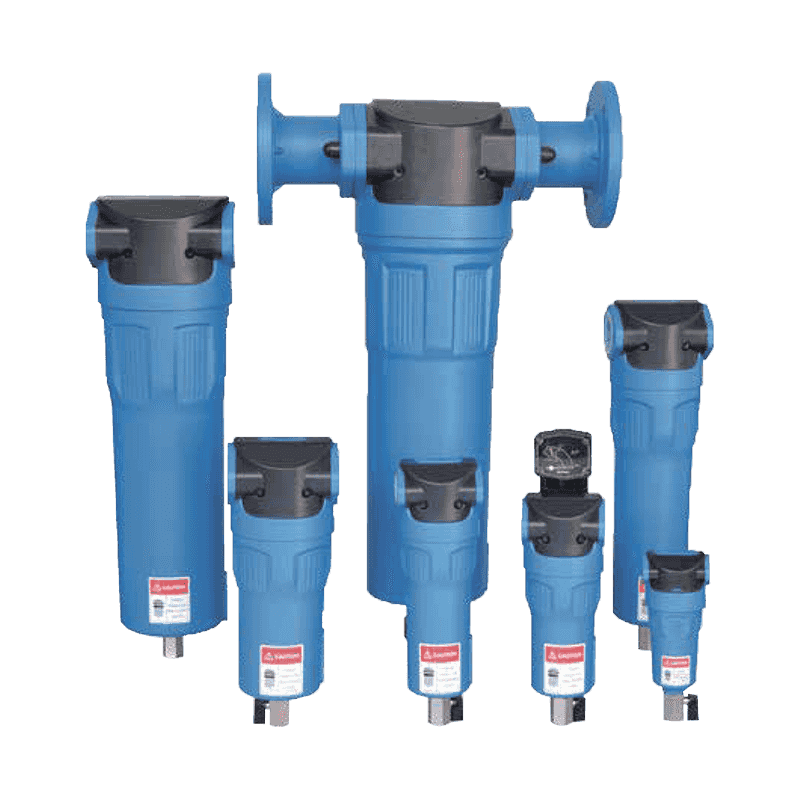
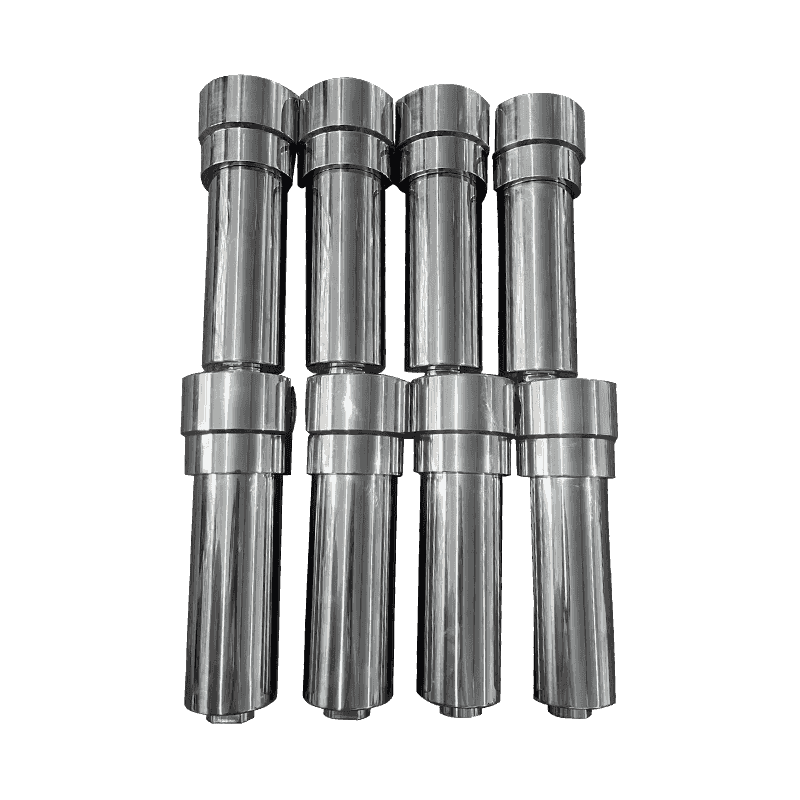
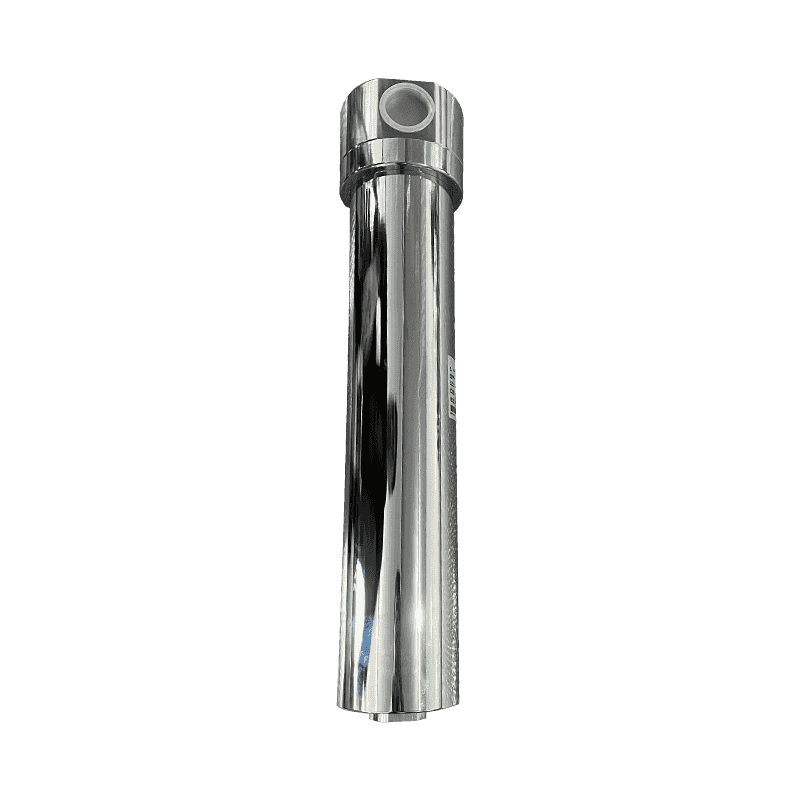
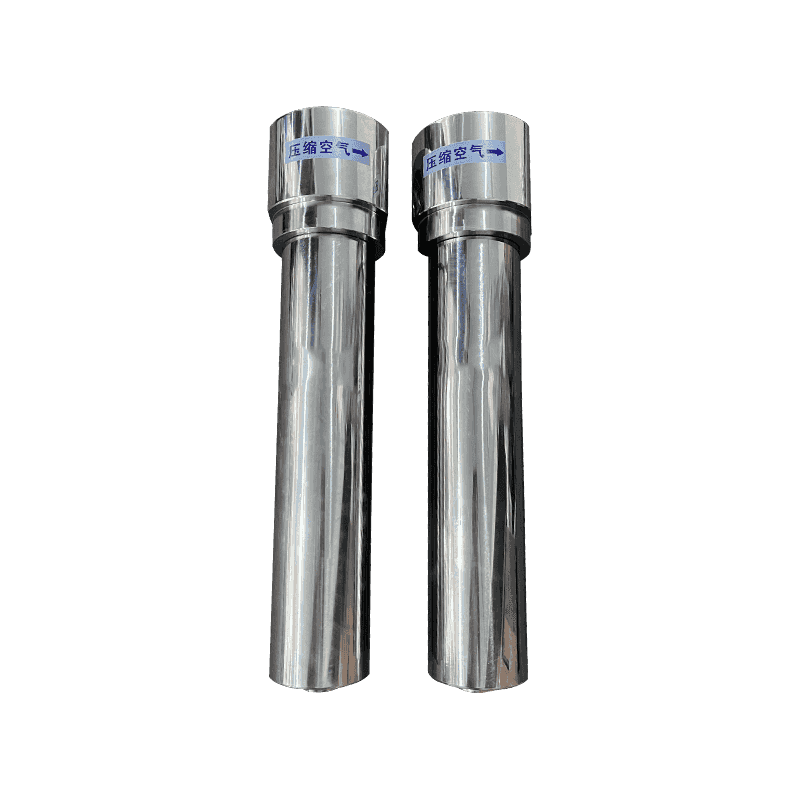
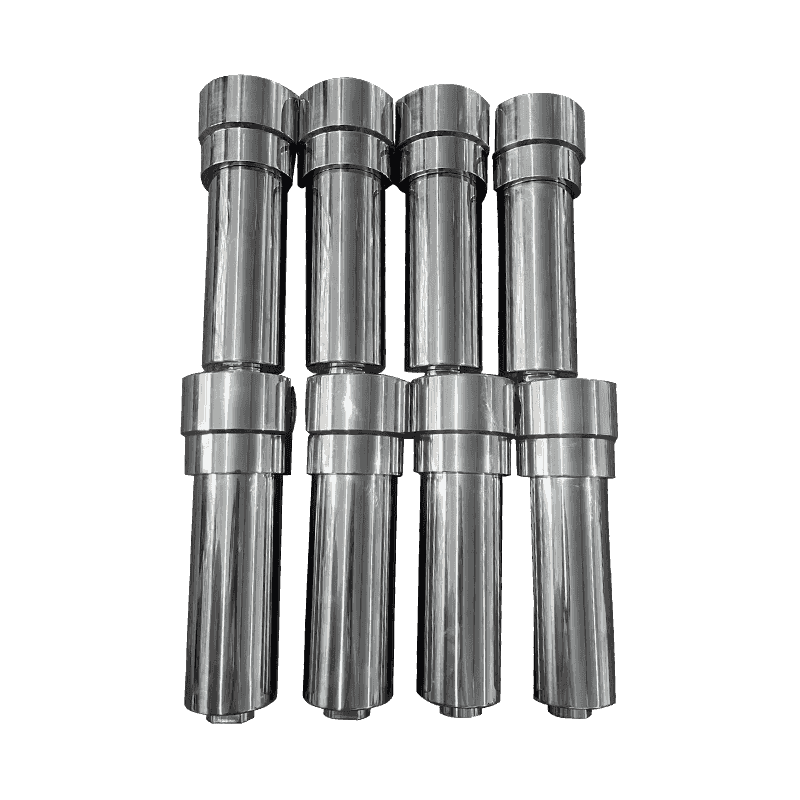
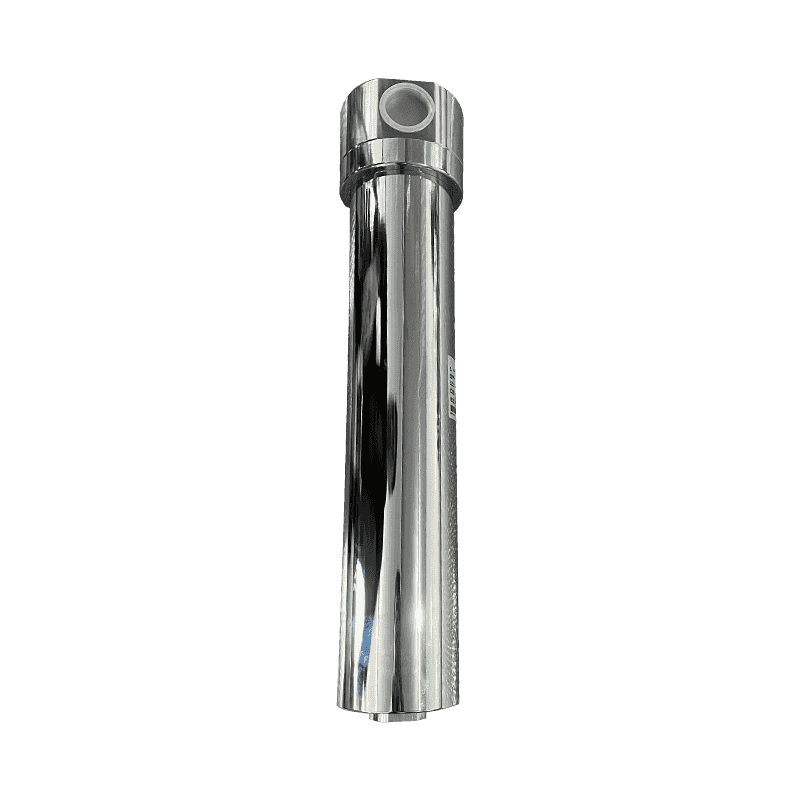
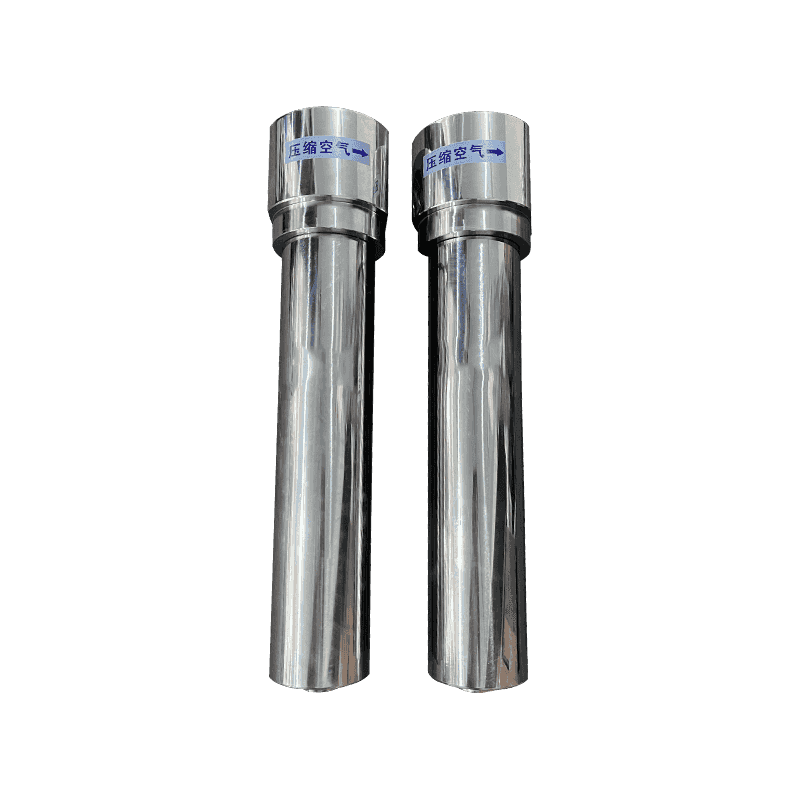
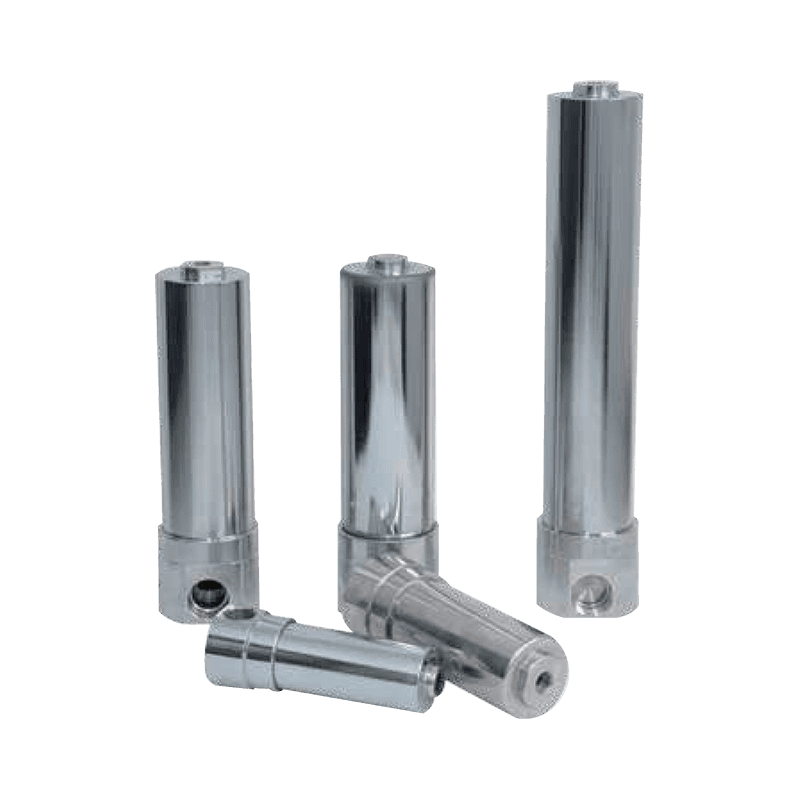
The stainless steel high-pressure compressed air filter is a precision-engineered filtration device designed to remove solid particles and liquid impurities from compressed air systems operating at pressures up to 4.0 MPa. Constructed from high-grade 304 and 316L stainless steel, as well as specially coated carbon steel, the unit delivers reliable performance across demanding industrial environments where material compatibility and structural integrity are non-negotiable.
Engineered on aerodynamic principles, the filter minimizes pressure drop across the filter medium, preserving system efficiency without compromising filtration effectiveness. Available filter elements span a wide performance range — 25 μm, 5 μm, 1 μm, and 0.01 μm — with an activated carbon option for applications requiring odor control or hydrocarbon removal. This combination of material selection, pressure-rated construction, and filtration grade flexibility makes the unit suitable for general industrial gas treatment, precision pneumatic systems, and process gas conditioning.
Inquiry
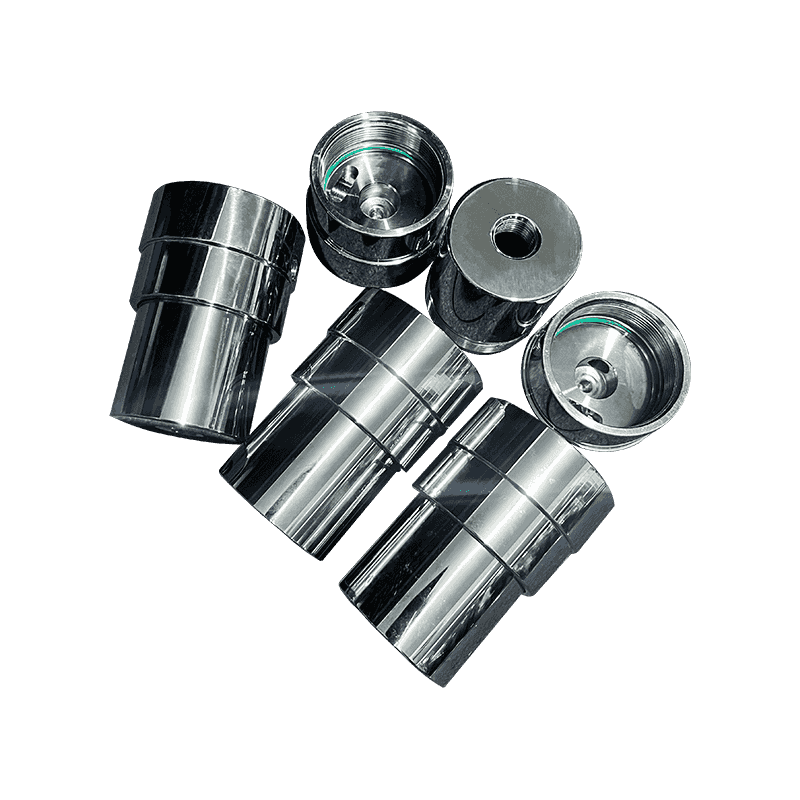
Product Description
| Filter Grade | Particle Size Removed | Typical Application | Residual Oil Content |
|---|---|---|---|
| Coarse (25 μm) | 25 μm and larger | Pre-filtration, general air preparation | Not rated for oil removal |
| Fine (5 μm) | 5 μm and larger | Pneumatic instrumentation, actuator protection | Reduced carryover |
| High Efficiency (1 μm) | 1 μm and larger | Precision instrumentation, spray finishing | Low |
| Submicron (0.01 μm) | 0.01 μm and larger | Sterile air, electronics, pharmaceutical | Very low (near oil-free) |
| Activated Carbon | Vapor / odor phase | Food, beverage, medical, paint booths | Hydrocarbon vapor adsorption |
The filter is rated for compressed air and inert gas service at pressures up to 4.0 MPa (approximately 580 psi). Operating above the rated pressure is not recommended and may compromise housing integrity and sealing performance. Always confirm that upstream pressure regulation is in place before installation.
Selection depends on the downstream equipment sensitivity and air purity requirements. A 25 μm element is appropriate as a pre-filter or for general pneumatic tools. For instrumentation and control valves, 5 μm or 1 μm is recommended. Where oil-free or near-sterile air is required — such as in pharmaceutical filling or food contact applications — the 0.01 μm element should be used, optionally combined with an activated carbon stage for vapor removal.
Both grades provide good general corrosion resistance, but 316L incorporates molybdenum, which significantly improves resistance to chloride-induced pitting and crevice corrosion. For standard industrial compressed air where the gas is dry or minimally oiled, 304 is typically sufficient. For environments with chlorine-bearing cleaning agents, coastal humidity, or chemically aggressive process gases, 316L is the preferred choice.
Rather than following a fixed calendar schedule, element replacement should be triggered by an increase in differential pressure across the filter housing. A differential pressure gauge or indicator fitted at the inlet and outlet provides a direct measurement of element loading. When the differential pressure exceeds the manufacturer's specified limit — typically in the range of 0.07 to 0.1 MPa depending on element grade — the element should be replaced promptly to avoid excessive pressure loss or bypass.
Yes. The filter is designed to remove both solid particles and liquid aerosols, including compressor oil carryover. For oil-laden air, a coalescing-type element (typically 1 μm or 0.01 μm grade) is recommended to capture submicron oil mist before it reaches downstream equipment. An automatic condensate drain fitted to the bowl ensures accumulated liquid is discharged continuously without manual intervention. If residual oil vapor must also be eliminated, an activated carbon polishing stage should follow the particulate filter.
The stainless steel construction and elastomeric seals used in this filter are compatible with dry nitrogen, argon, carbon dioxide, and other non-flammable inert gases at the rated pressure. Compatibility with flammable, oxidizing, or strongly corrosive gases must be evaluated individually based on seal material and housing grade. Consult the product datasheet or contact the supplier before using the filter in service with non-air process gases.
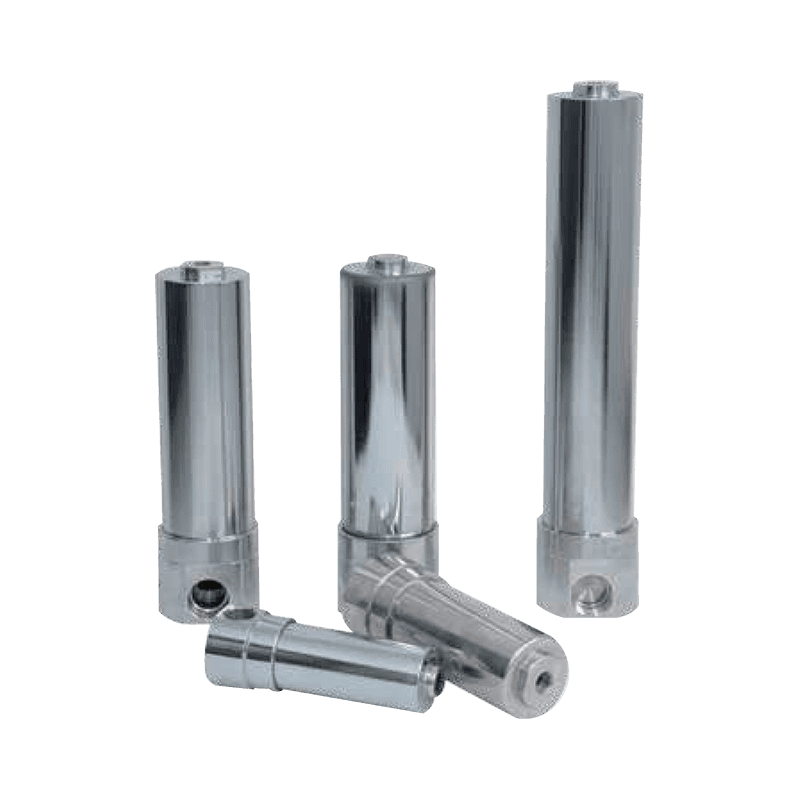
| Filter model | Flow m³/M | Interface | h(W) | C(diameter) | Sewage outlet |
| BH-001* | 1 | 1/2′′ 3/4′′ 1′′ | 230mm | 80mm | 1/2 |
| BH-002* | 2 | 1/2′′ 3/4′′ 1′′ | 230mm | 80mm | 1/2 |
| BH-003* | 3 | 1′′ | 260mm | 106mm | 1/2 |
| BH-005* | 5 | 1-1/2′′ | 405mm | 115mm | 1/2 |
| BH-007* | 7 | 1-1/2′′ | 505mm | 115mm | 1/2 |
| BH-010* | 11 | 1-1/2′′ | 620mm | 115mm | 1/2 |
| BH-013* | 13 | 2′′ | 620mm | 140mm | 1/2 |
Construction Cases
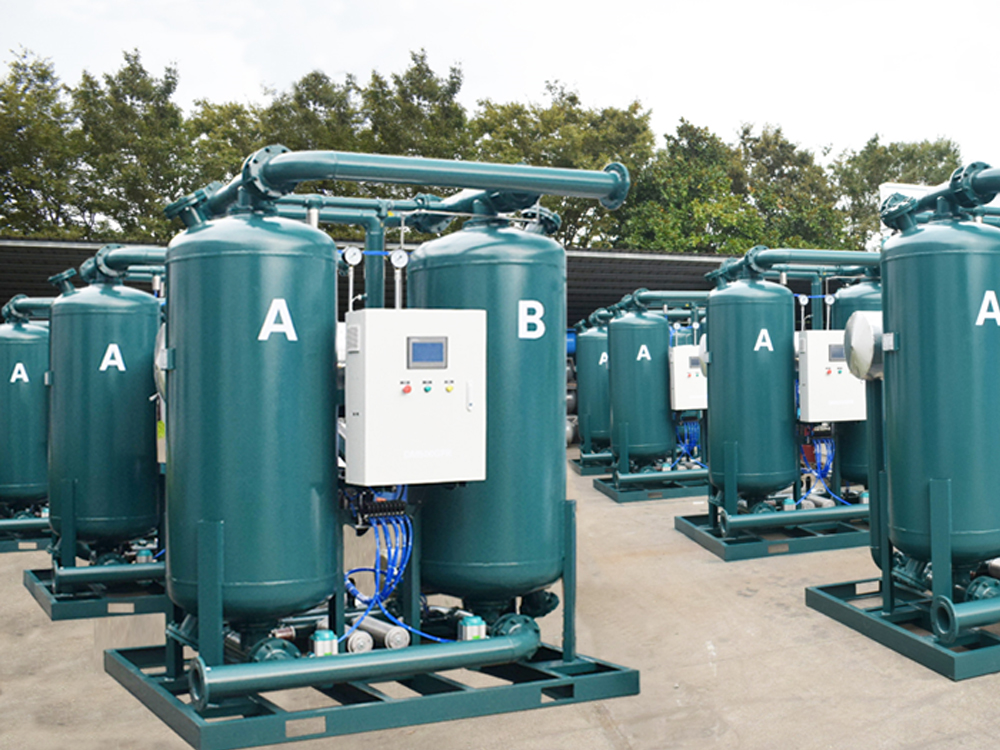
Dalian Dahua Group Co., Ltd.
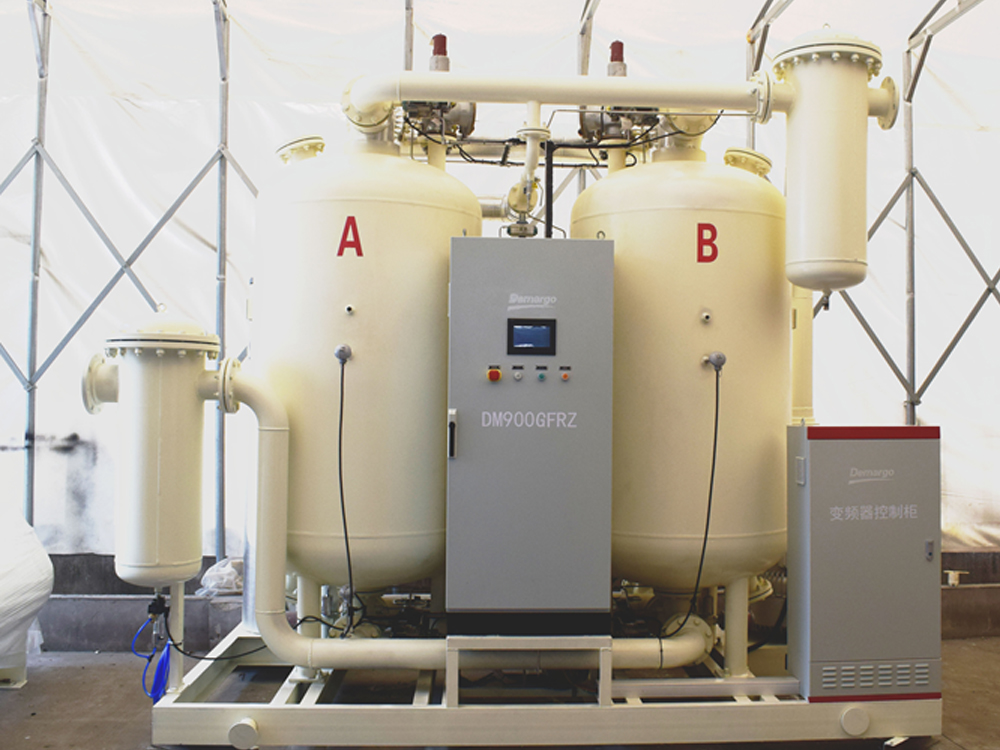
A large-scale electronic new material company in Jiangsu (Fortune 500)
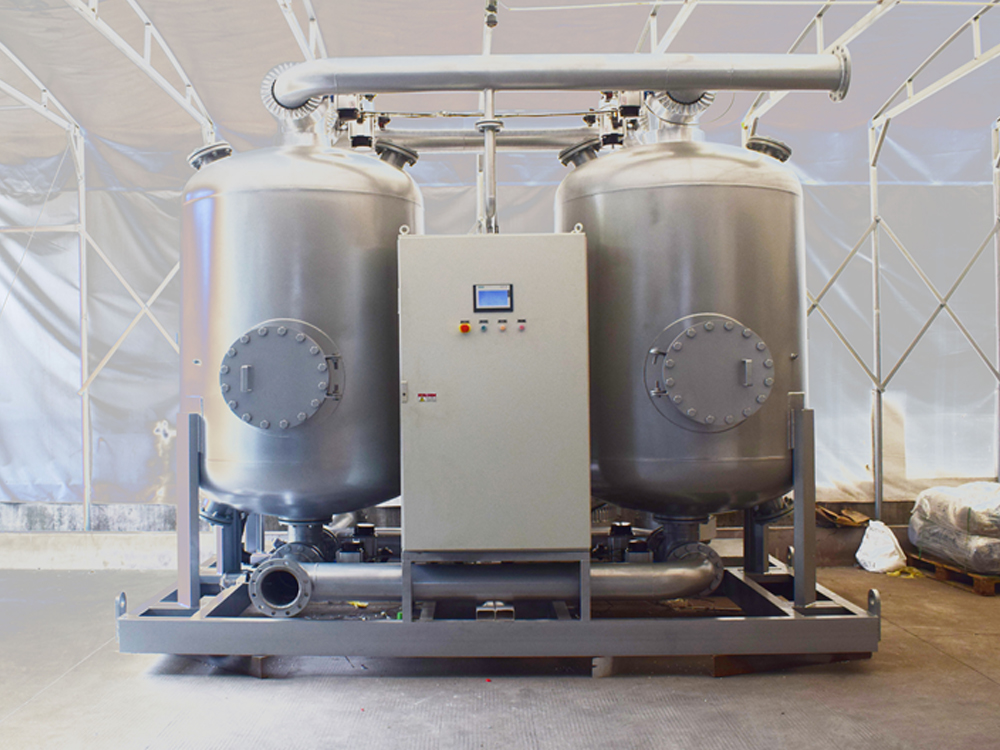
Shenyang Engine Research Institute
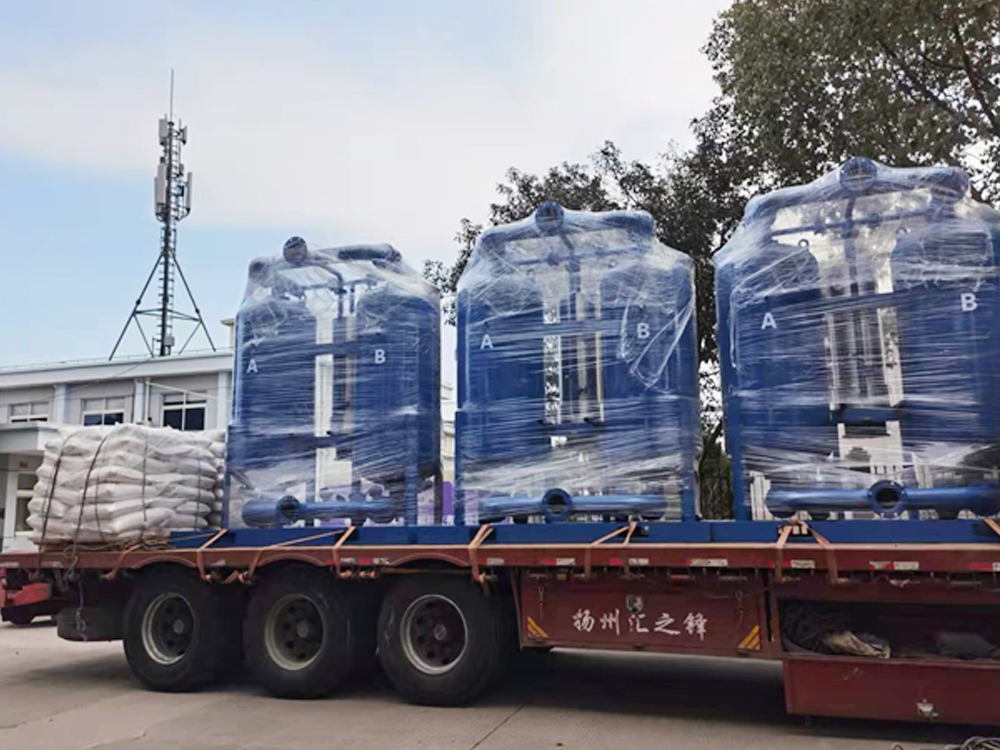
A large optoelectronics factory in Jiangsu
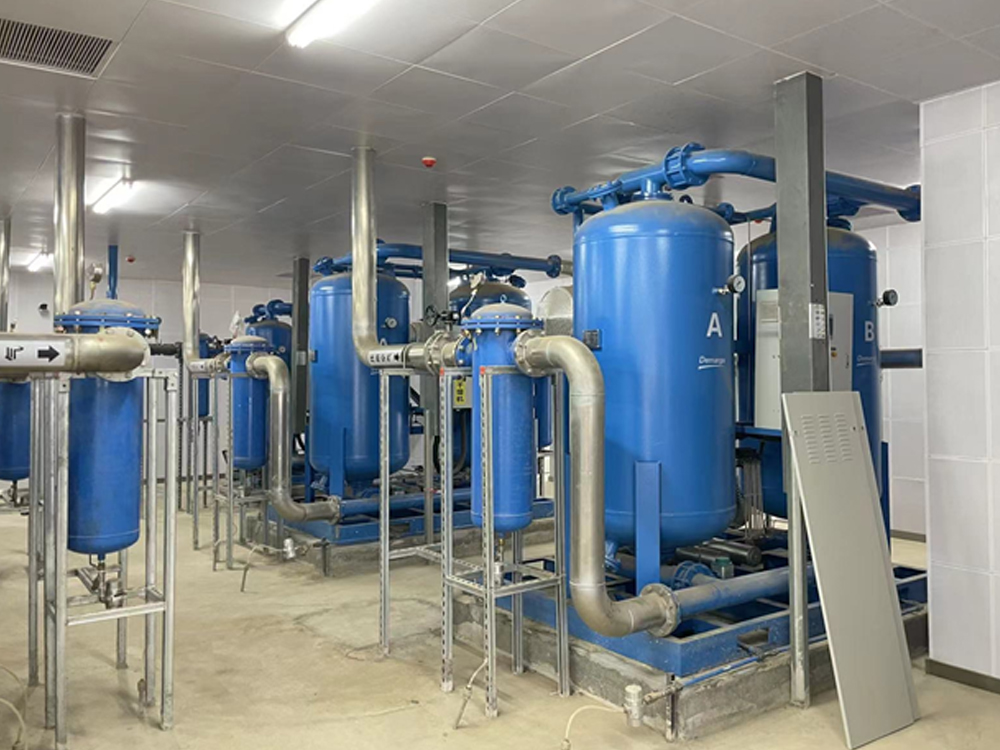
Hainan Haikou Airport
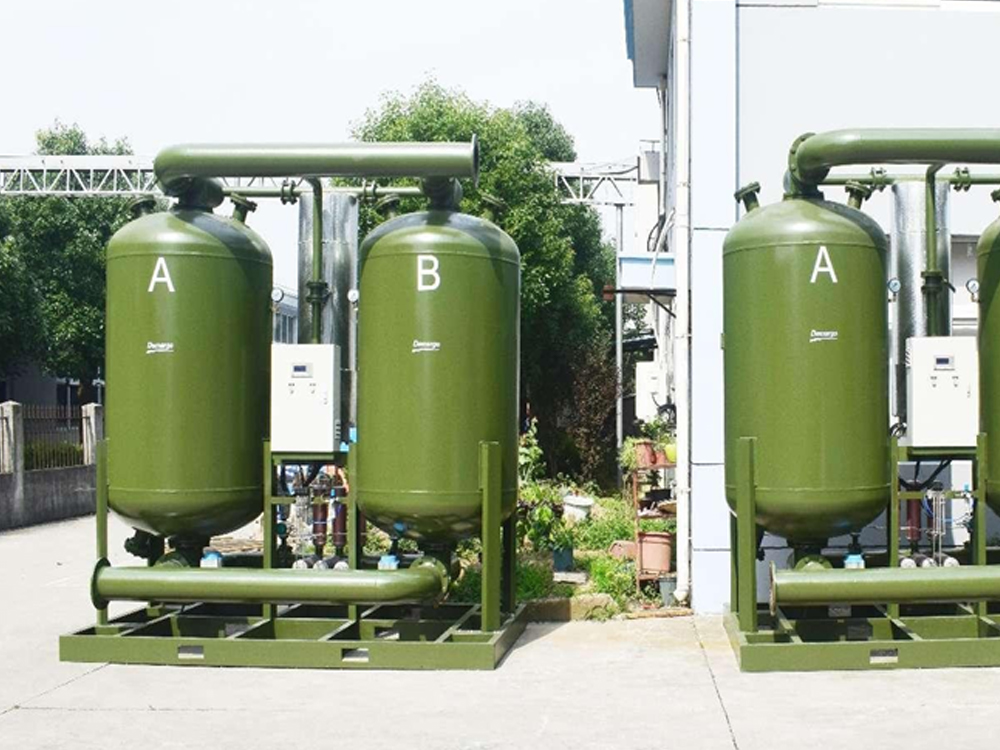
Equipment of a military factory in Shanghai
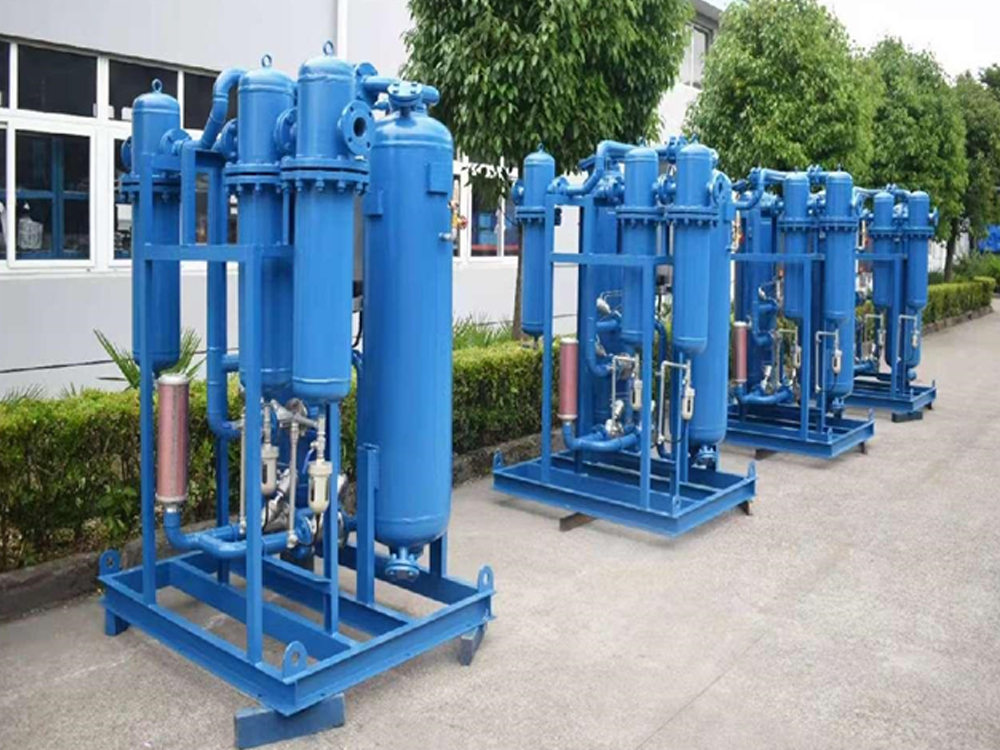
PetroChina offshore drilling platform
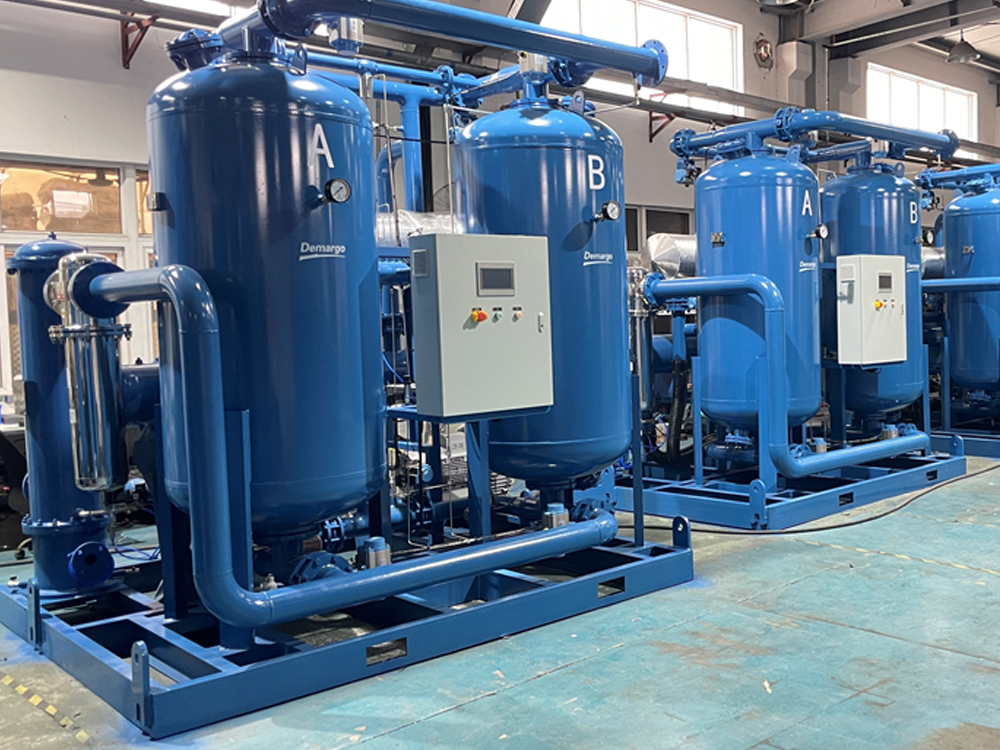
A chemical company in Shandong
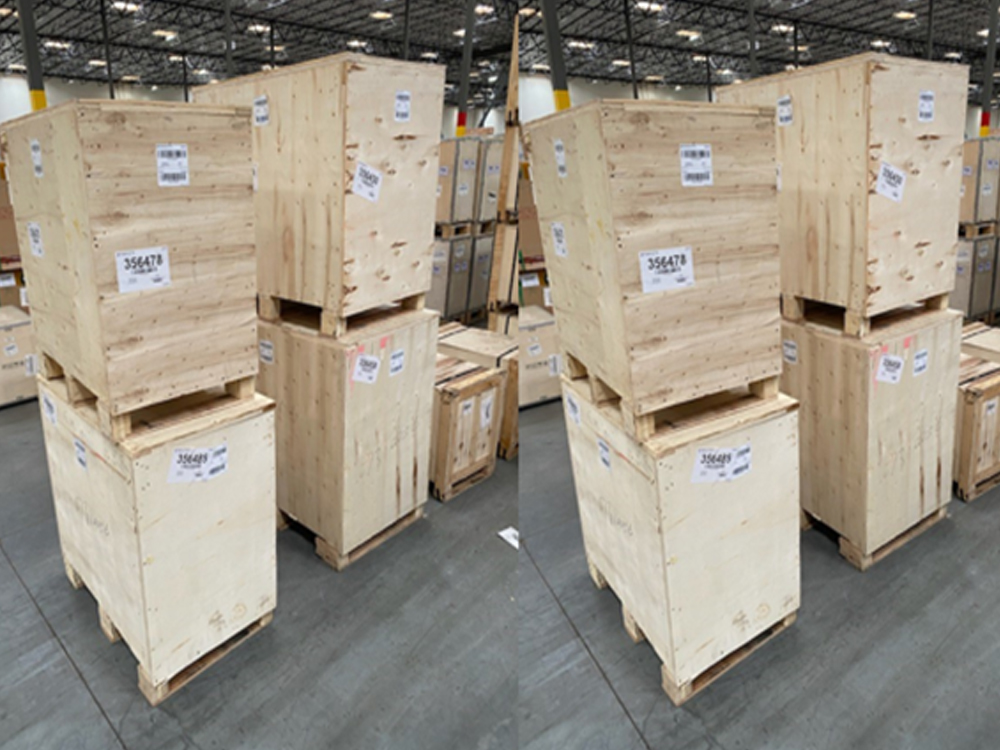
A company in California, USA
Contact Us for More Details
Don't hesitate to contact when you need us!
Related Products

Conclusion up front: If you compress air, you need an oil-water separator. If you have one, you need to maintain it. A well-maintained separator protects your ...
View MoreWalk through any plant that runs pneumatic tools, laser cutters, or precision control valves, and you will eventually hear the same complaint: the air line is ...
View MoreAt a petrochemical plant, a sticking control valve, a drifting analyzer, or a slow-acting emergency shutdown valve usually has one root cause: contaminated or ...
View MoreChemical process cooling equipment is not just about making process fluids cold. It is about controlling temperature precisely enough to protect reactors, stab...
View More
ADD: No. 9, Lane 38, Caoli Road, Fengjing Town, Jinshan District, Shanghai, China
Tel: 0086-17321147609
Email: [email protected]
Copyright © Demargo (Shanghai) Energy Saving Technology Co., Ltd. Rights Reserved. Wholesale Stainless Steel High Pressure Compressed Air Solid And Liquid Impurity Filter Suppliers